Freedom & Growth Summit 2025
Prosperity. Security. Technology.
Event Concluded

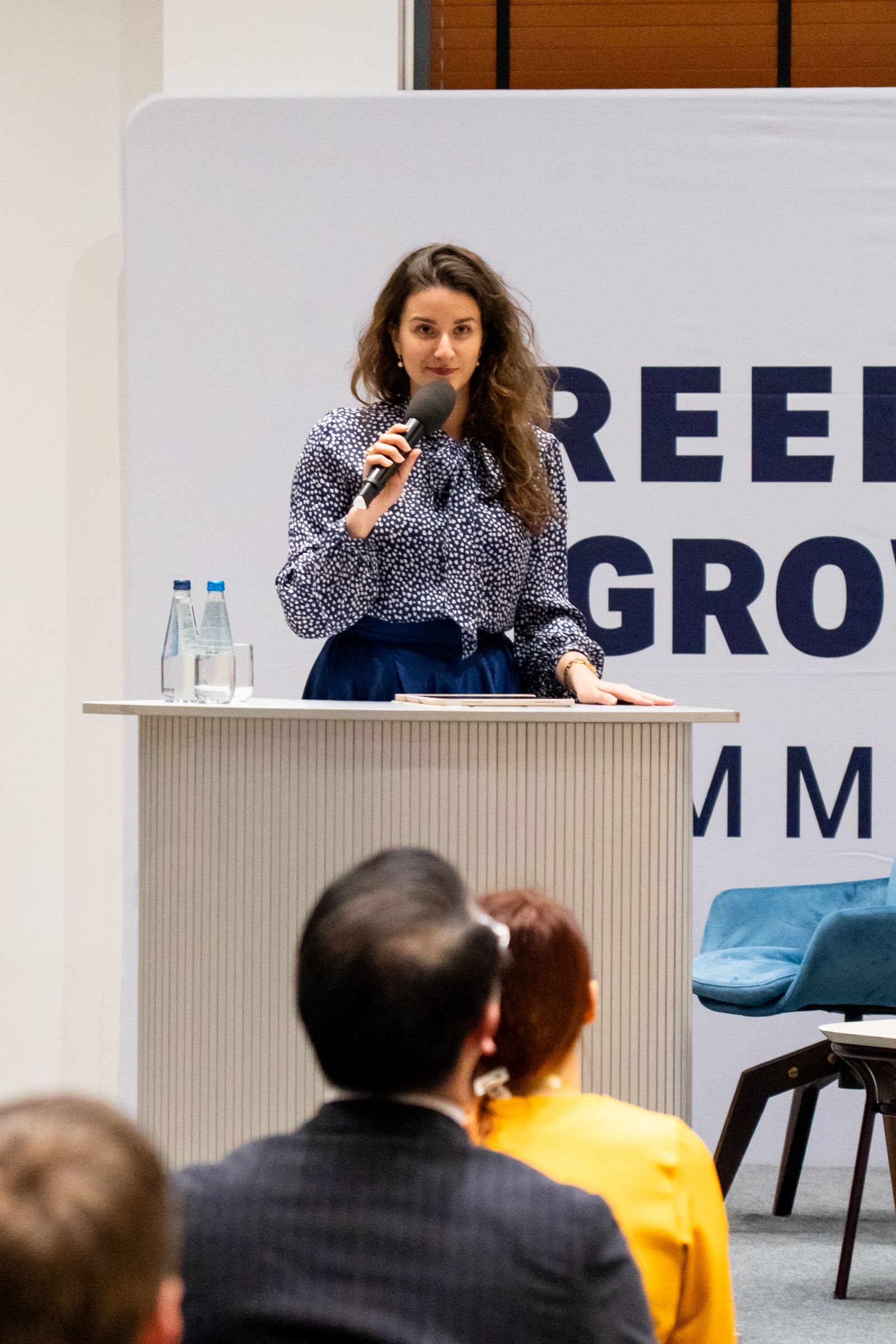
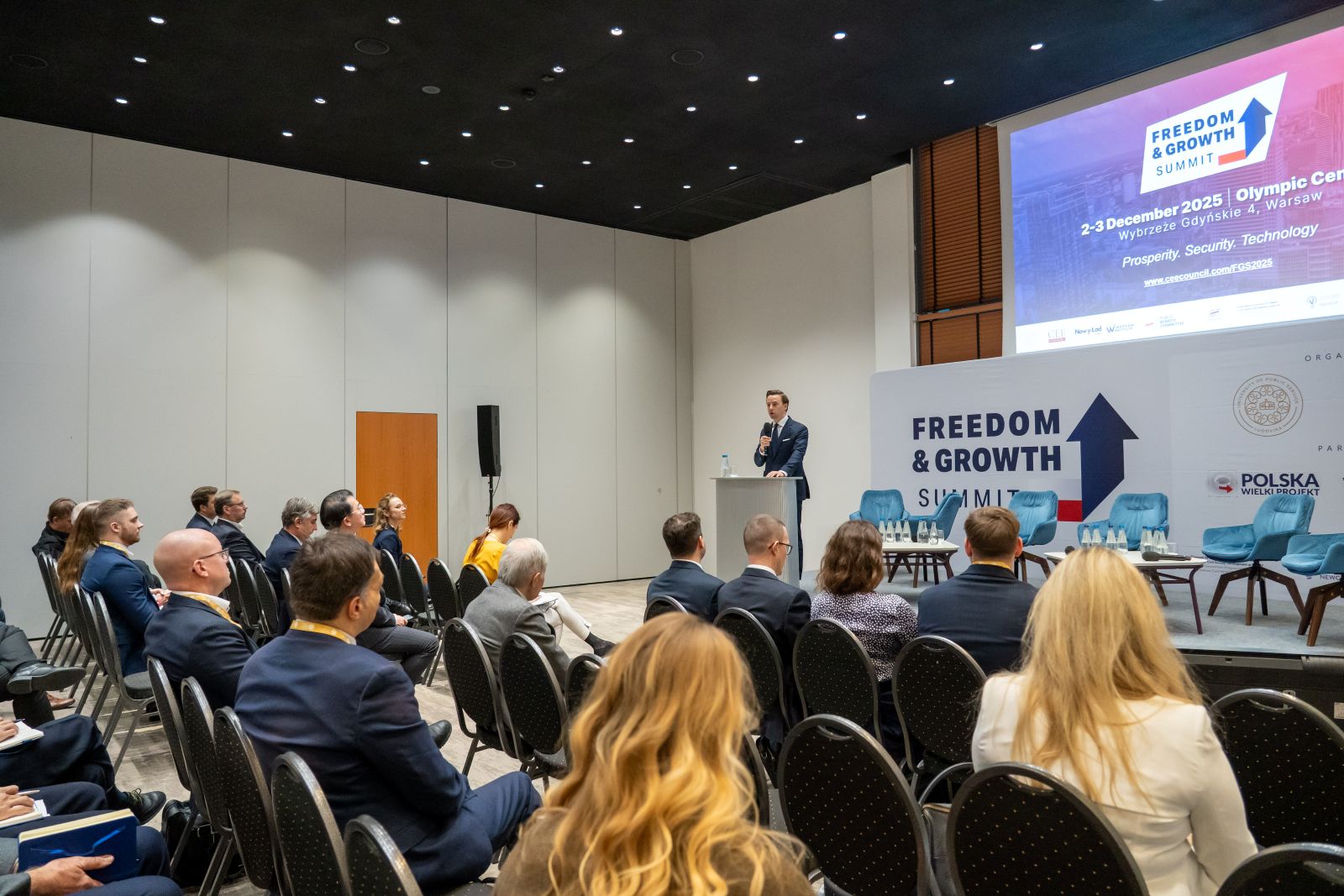
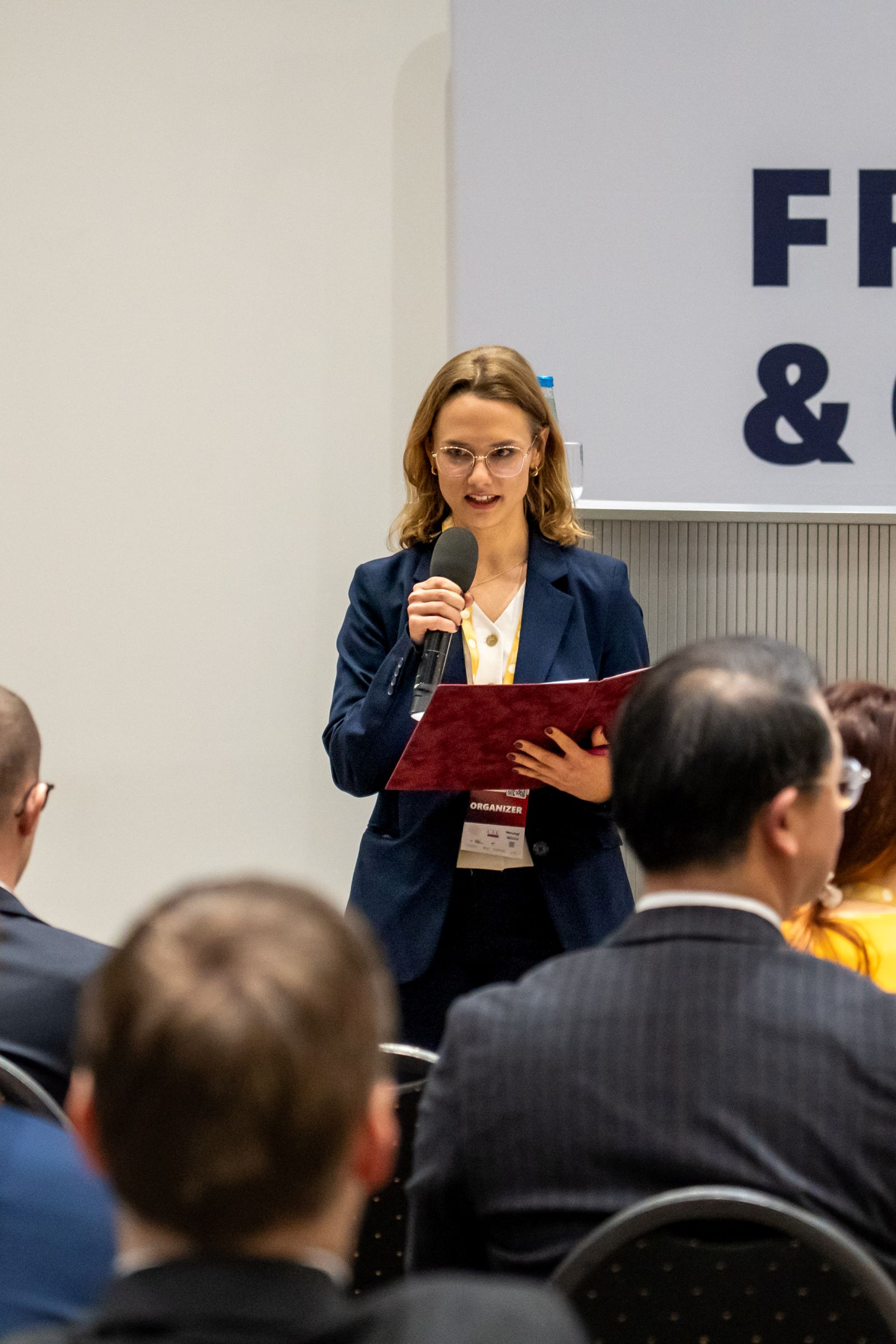
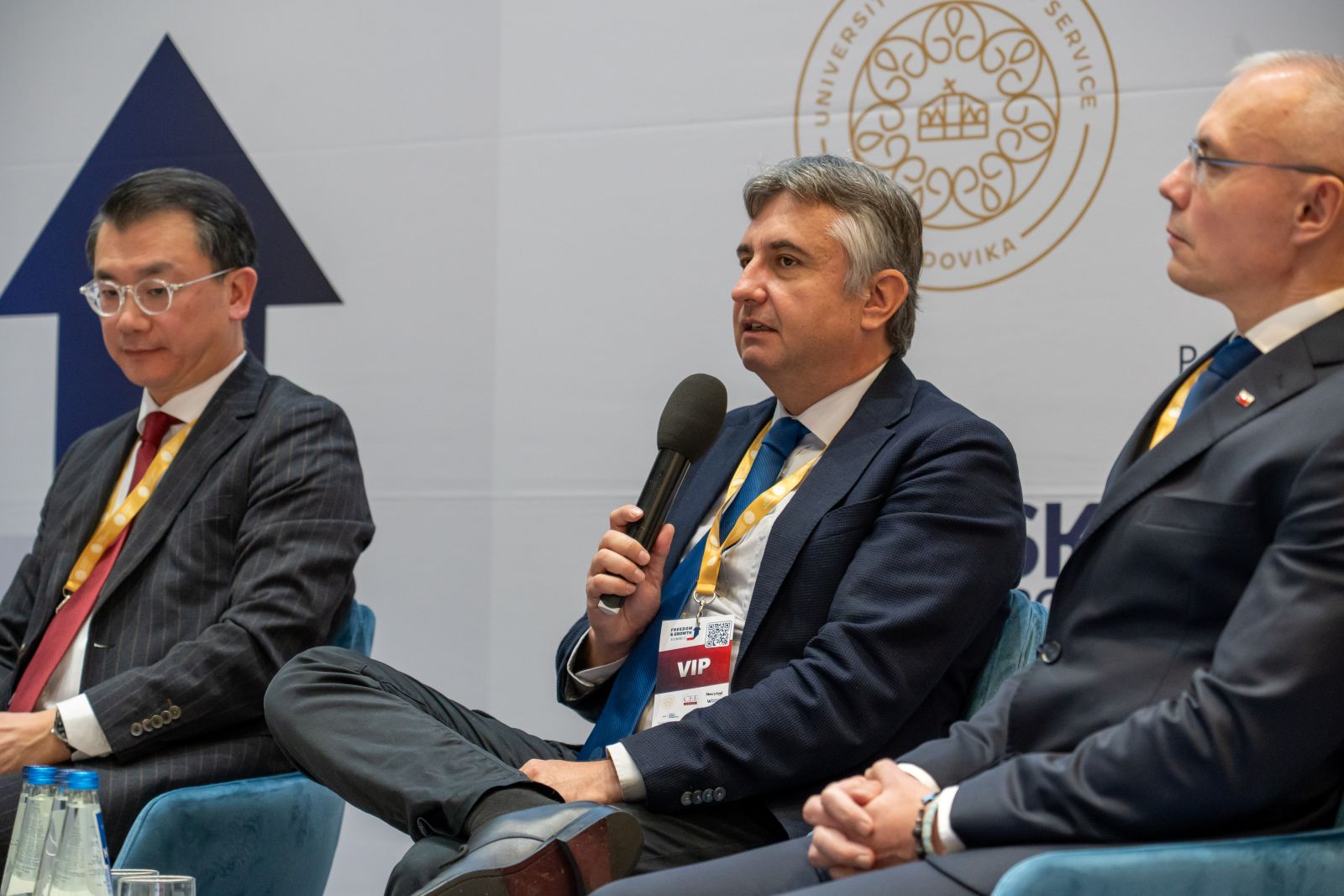
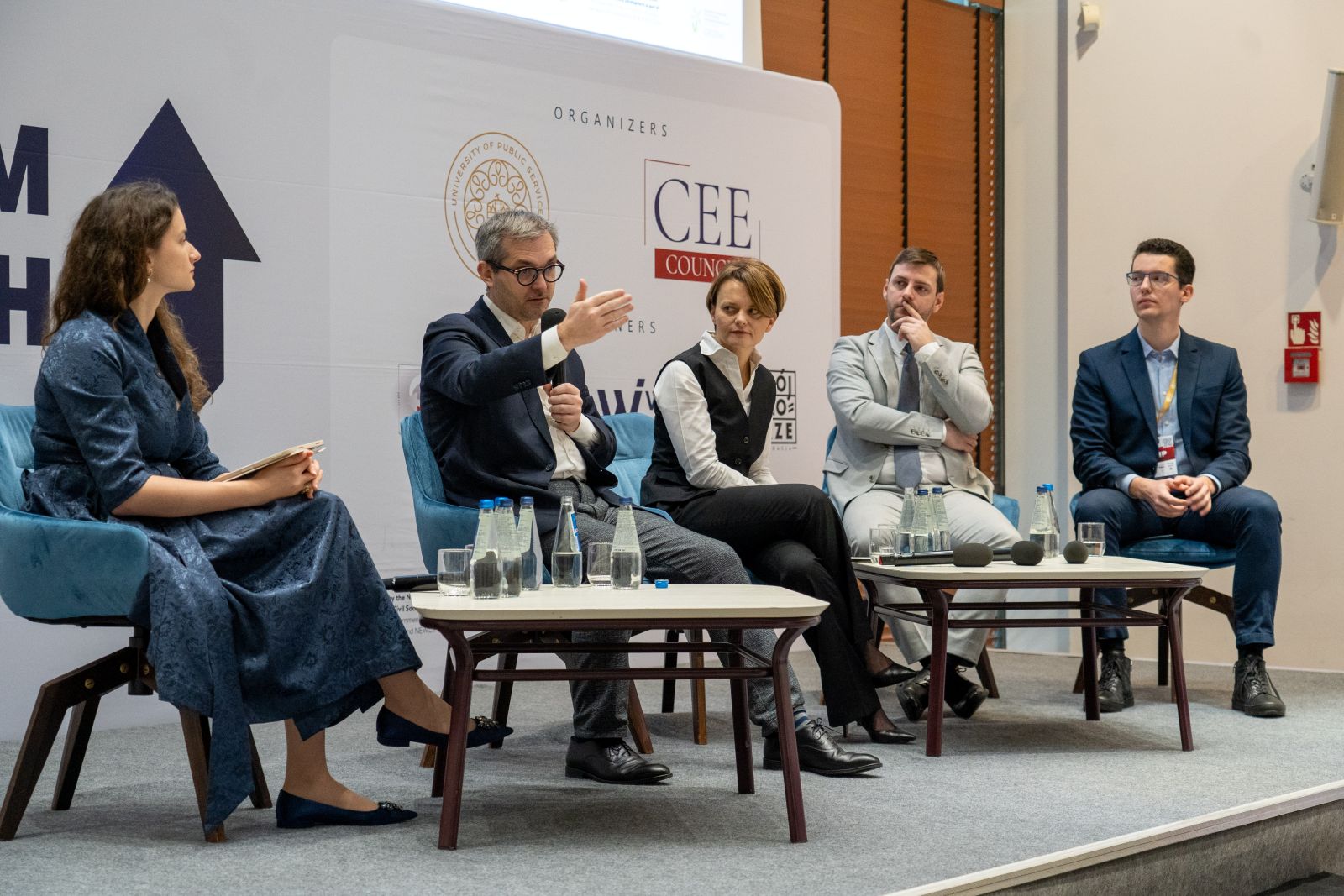
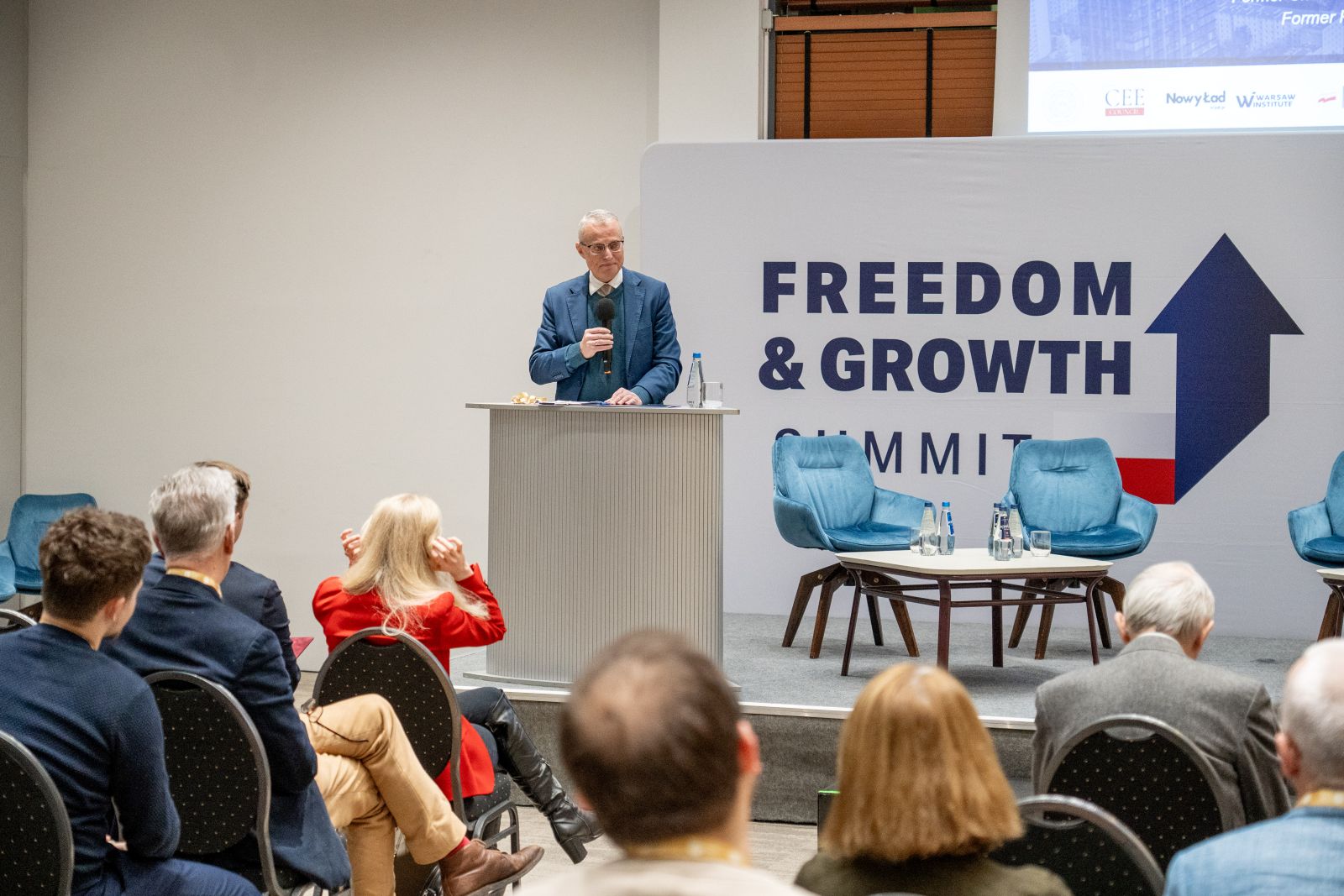
Thank you for joining the debate on Prosperity, Security, and Technology. See the highlights below.
🇬🇧 FGS: A Forum for Change.
The Freedom & Growth Summit (FGS) is a new high-level forum convening policymakers, business leaders, scholars and security practitioners from Poland, Central & Eastern Europe, and transatlantic partners. We meet to address the forces reshaping our region—revolutionary technologies, a shifting international order, demographic headwinds and the energy transition—and to turn diagnosis into decisions.
FGS is designed to produce actionable outcomes—policy notes, industry takeaways and cross-border initiatives—that strengthen resilience and unlock prosperity for Poland and the wider CEE region. We look forward to welcoming you to Warsaw on 2–3 December.
🇵🇱 FGS: Platforma dla Zmian.
Żyjemy w czasach bezprecedensowych przemian, które przekrojowo dotykają wszystkich sfer życia. Przełomowe technologie, przebudowa porządku międzynarodowego, podważanie tradycyjnych norm i wartości, kryzys demograficzny Zachodu oraz transformacja energetyczna tworzą splot procesów stanowiących egzystencjalne wyzwanie dla Polski i Europy Środkowo-Wschodniej. Odpowiedzi wymagają zarówno odwagi, jak i precyzji regulacyjnej. Temu poszukiwaniu służy *Freedom & Growth Summit* — nowe forum debaty czołowych postaci życia politycznego, naukowego i gospodarczego Polski oraz całego regionu CEE, z udziałem partnerów transatlantyckich i przedstawicieli obszarów strategicznie istotnych dla rozwoju i bezpieczeństwa Europy Środkowo-Wschodniej.
W centrum FGS znajduje się triada: *rozwój gospodarczy i technologiczny*, *bezpieczeństwo i odporność*, *poszanowanie podstawowych praw i wolności*, w tym wolności słowa jako fundamentu zachodniej cywilizacji. Agenda obejmuje: suwerenność państw w UE (subsydiarność, konkurencyjność, spójność regulacji), bezpieczeństwo i odstraszanie (obrona, przemysł zbrojeniowy, infrastruktura krytyczna), energię i transformację (bezpieczeństwo dostaw, korytarze Północ–Południe), technologie przełomowe i AI (dual-use, etyka, standardy), a także handel, inwestycje i łańcuchy dostaw. Ważnym wątkiem jest ochrona wolności wypowiedzi przy zwalczaniu dezinformacji. Celem FGS jest przekucie diagnoz w decyzje, które wzmacniają wolne społeczeństwa i napędzają rozwój Polski i Europy Środkowo-Wschodniej.
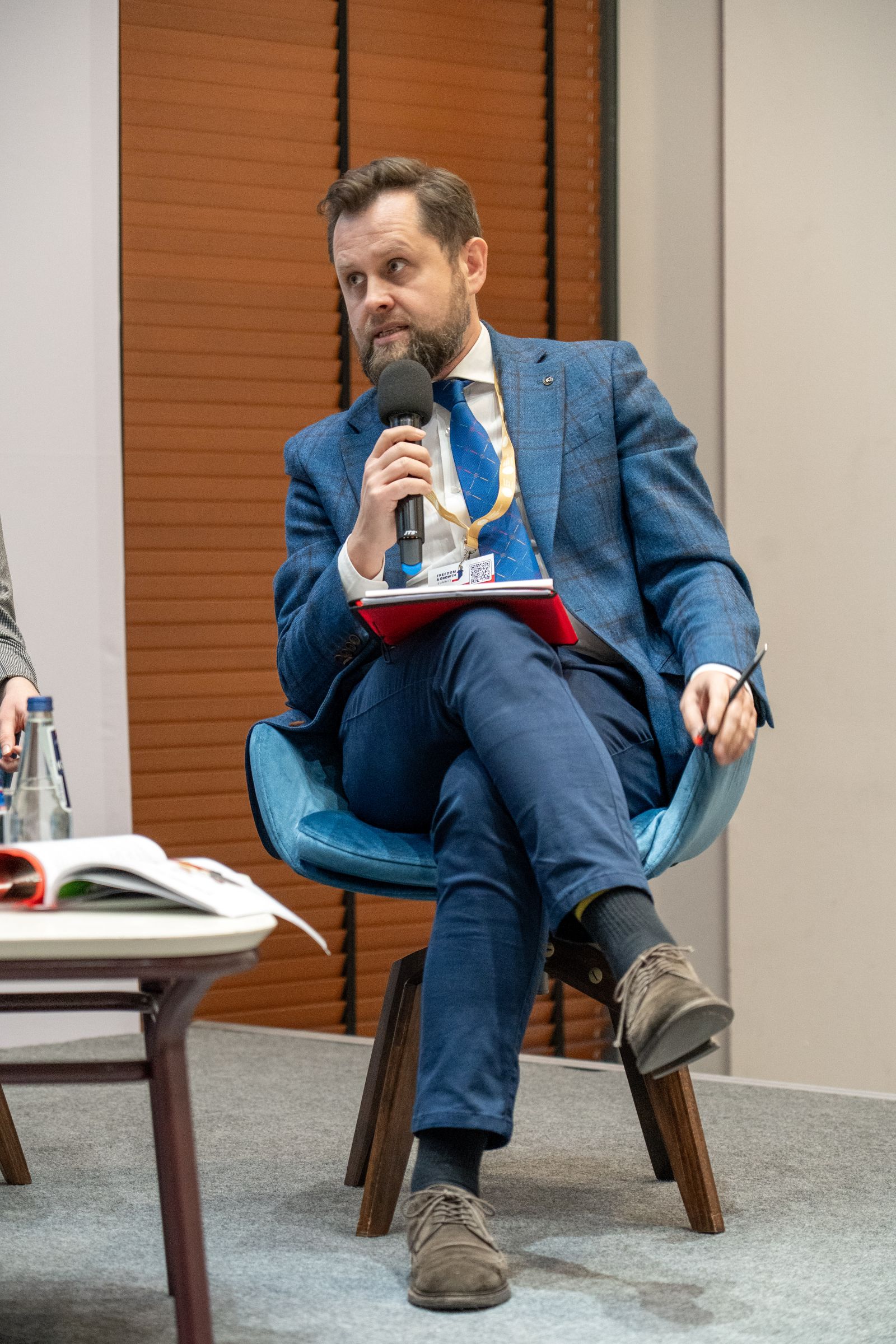
Main panelists
Influencing the Future: Featured Voices on Prosperity & Security.
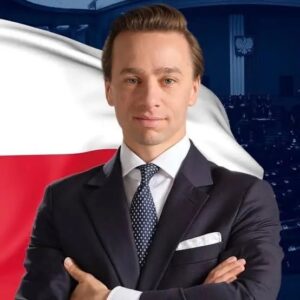
Krzysztof Bosak
Deputy Marshal of the Sejm of the Republic of Poland, Chairman of the National Movement

Jadwiga Emilewicz
Former Deputy Prime Minister of Poland, Expert at Sobieski Institute

Tobiasz Bocheński
Polish MEP
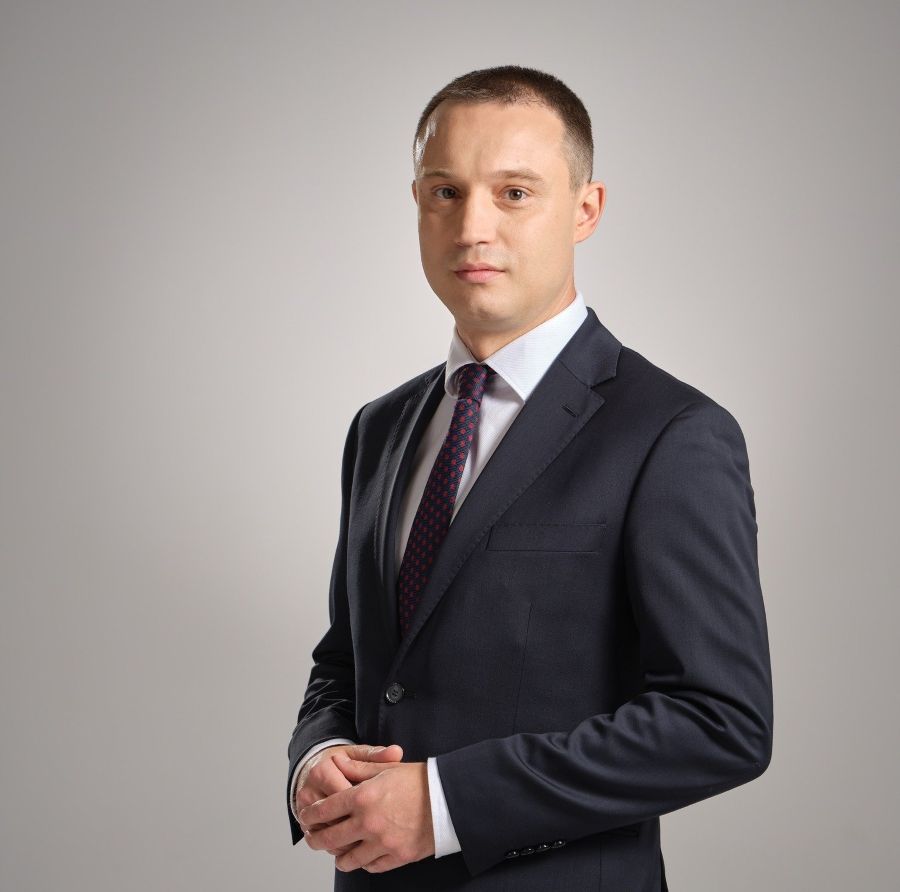
Krzysztof Mulawa
Polish MP

Tadeusz Kościński
Former Minister of Finance of Poland, Secretary of State and Government Plenipotentiary for Defence Financing

Marek Magierowski
Former Undersecretary of State in the Ministry of Foreign Affairs of Poland, Ambassador to the US and Israel

Audronius Ažubalis
Lithuanian MP, former Minister of Foreign Affairs of Lithuania

Csaba Gondola
State Secretary for Circular Economy and Climate Policy, Ministry of Energy of Hungary

Anthony Kim
The Heritage Foundation

Björn Söder
Swedish MP, Former Deputy Speaker of Riksdag, Member of delegation to NATO
14:30-15:00
15:00-15:15
15:15-15:30
15:30-17:00
17:00-17:30
Registration and Welcome Coffee
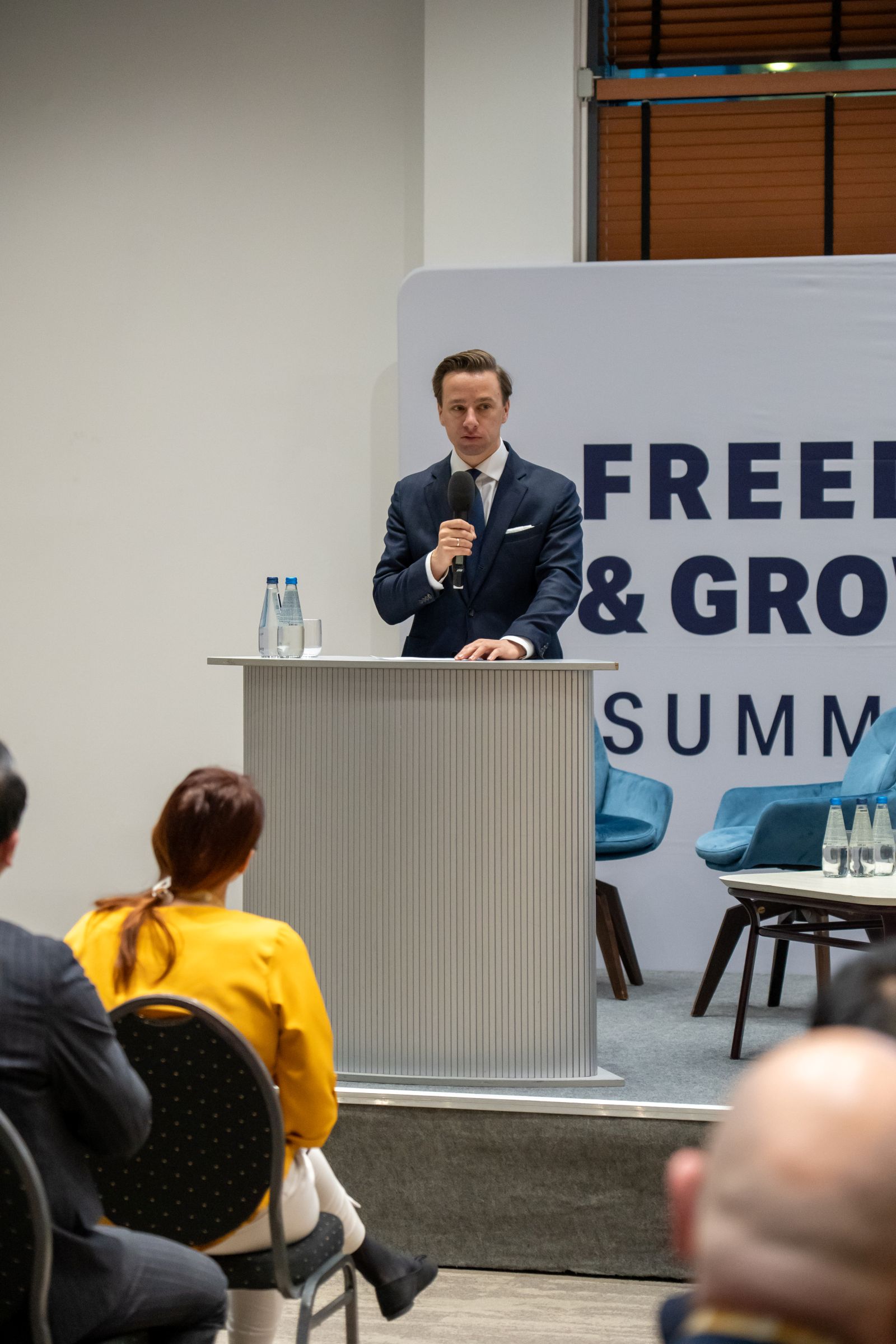
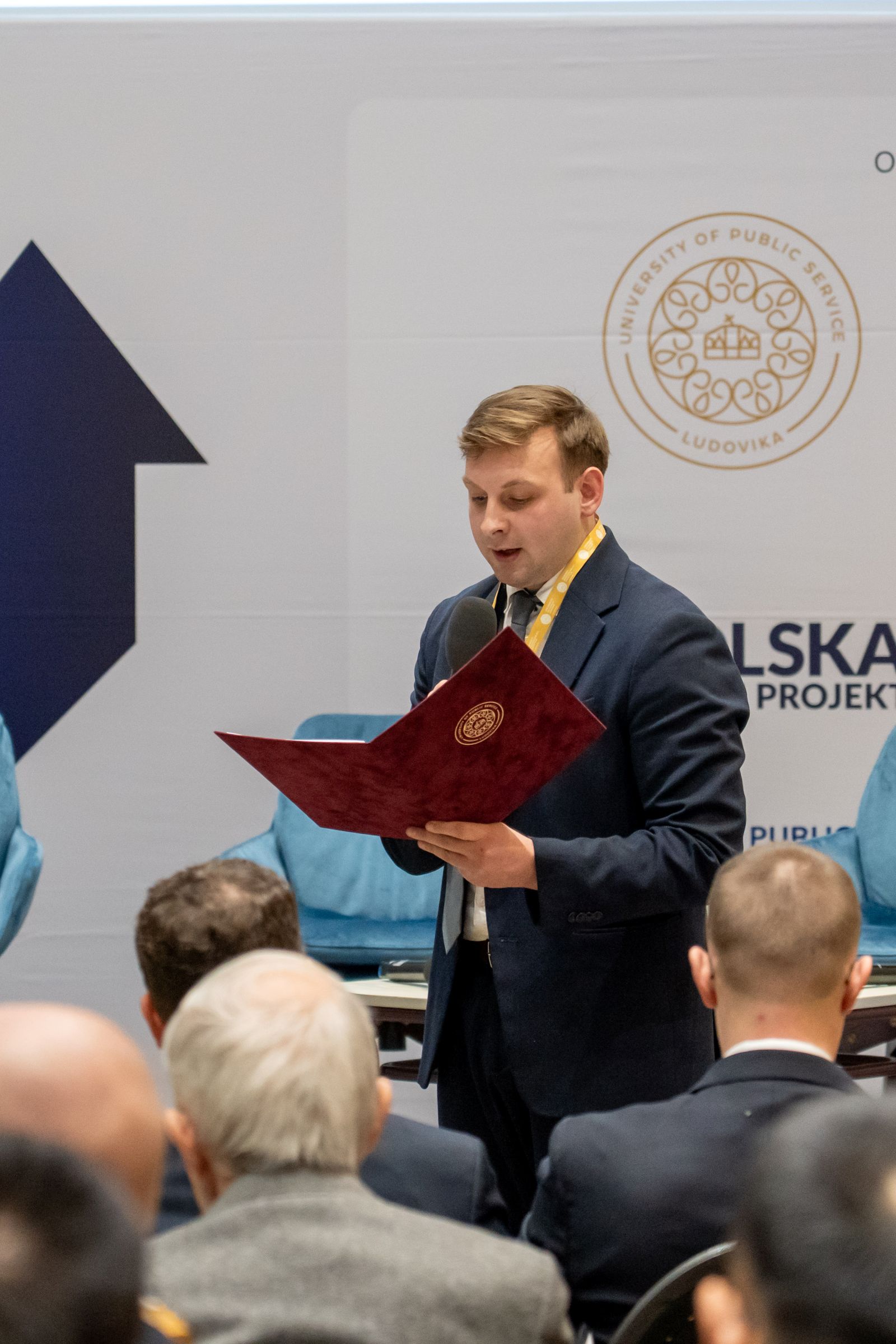
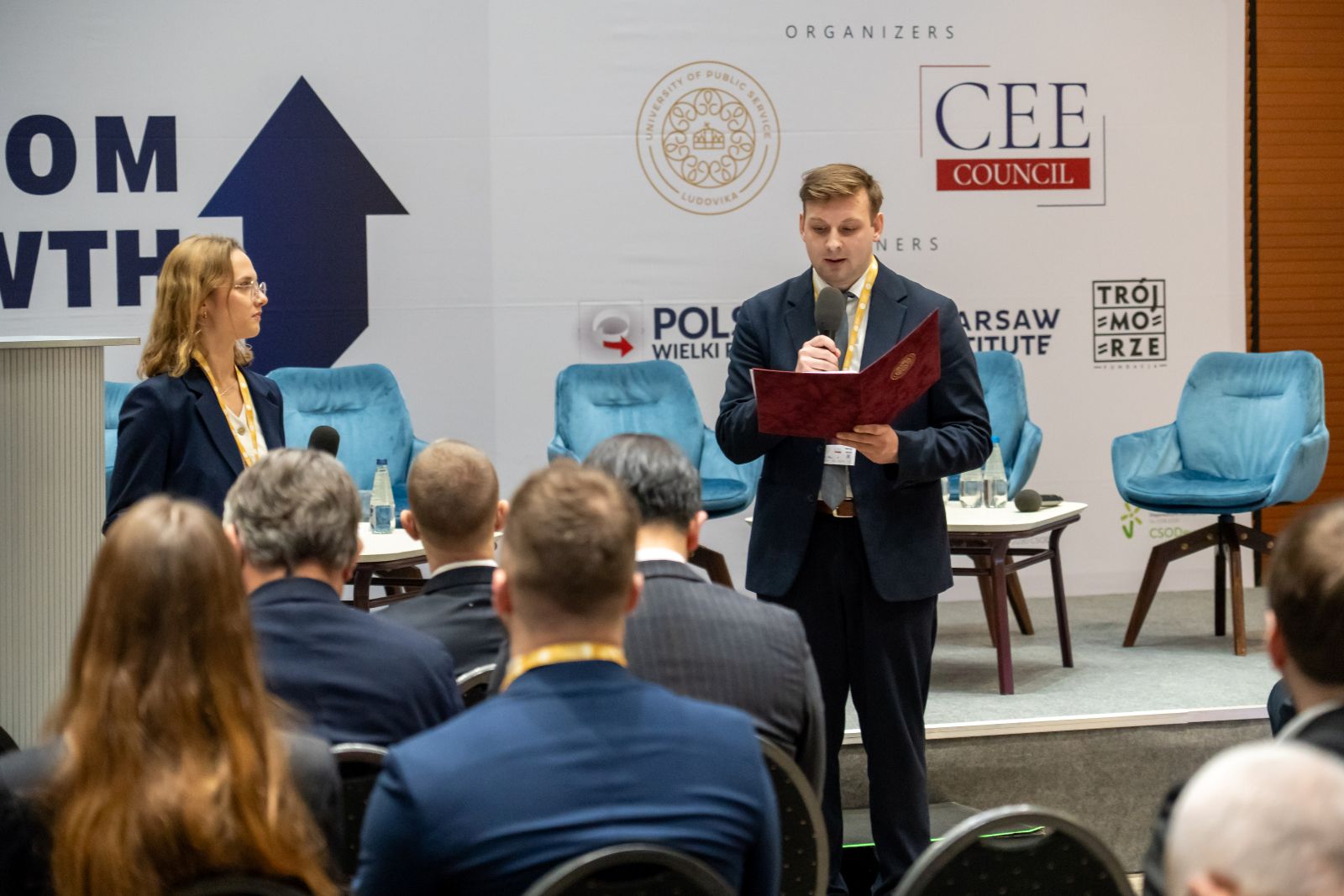
Conference Opening
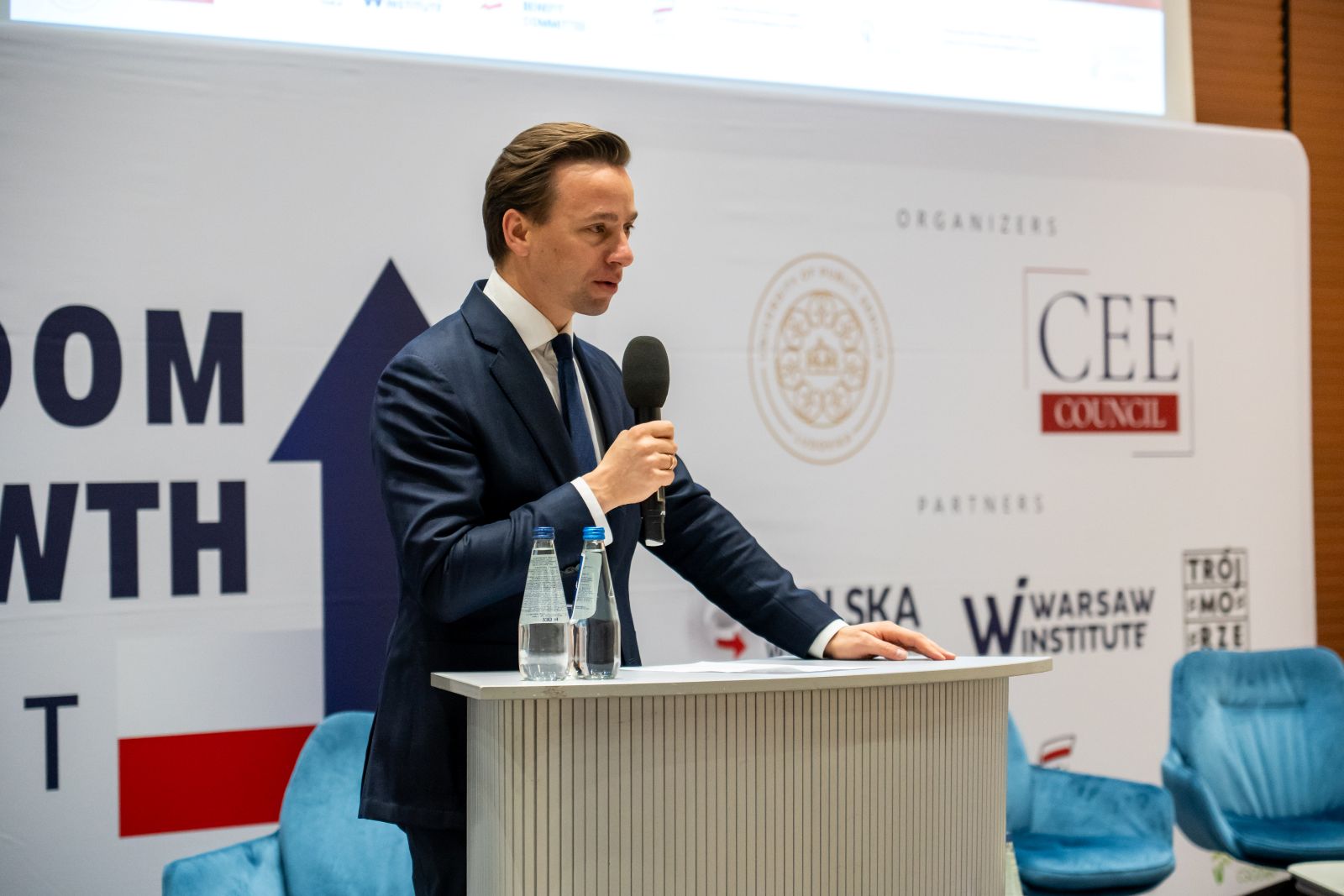
Keynote Speaker
Krzysztof Bosak
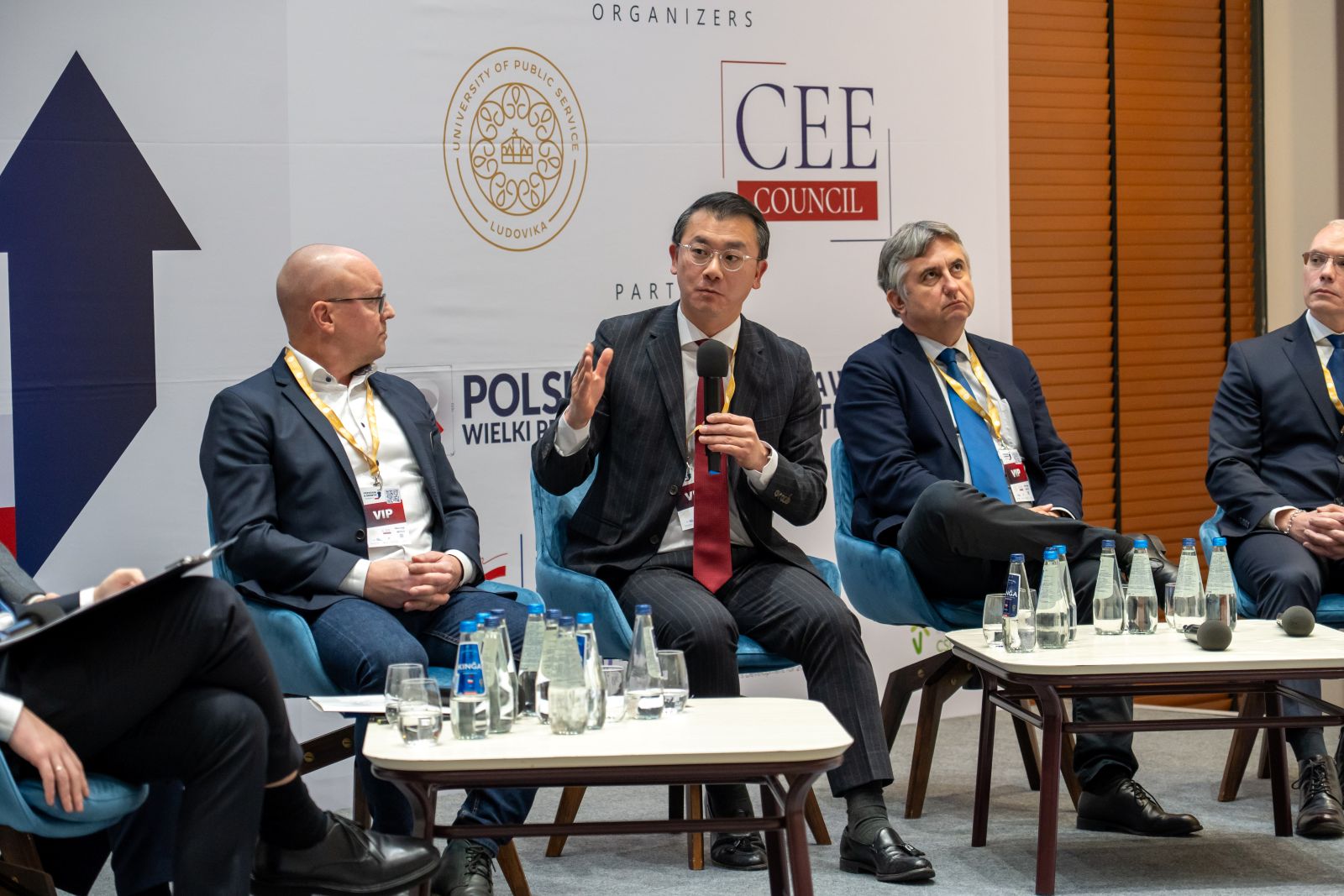
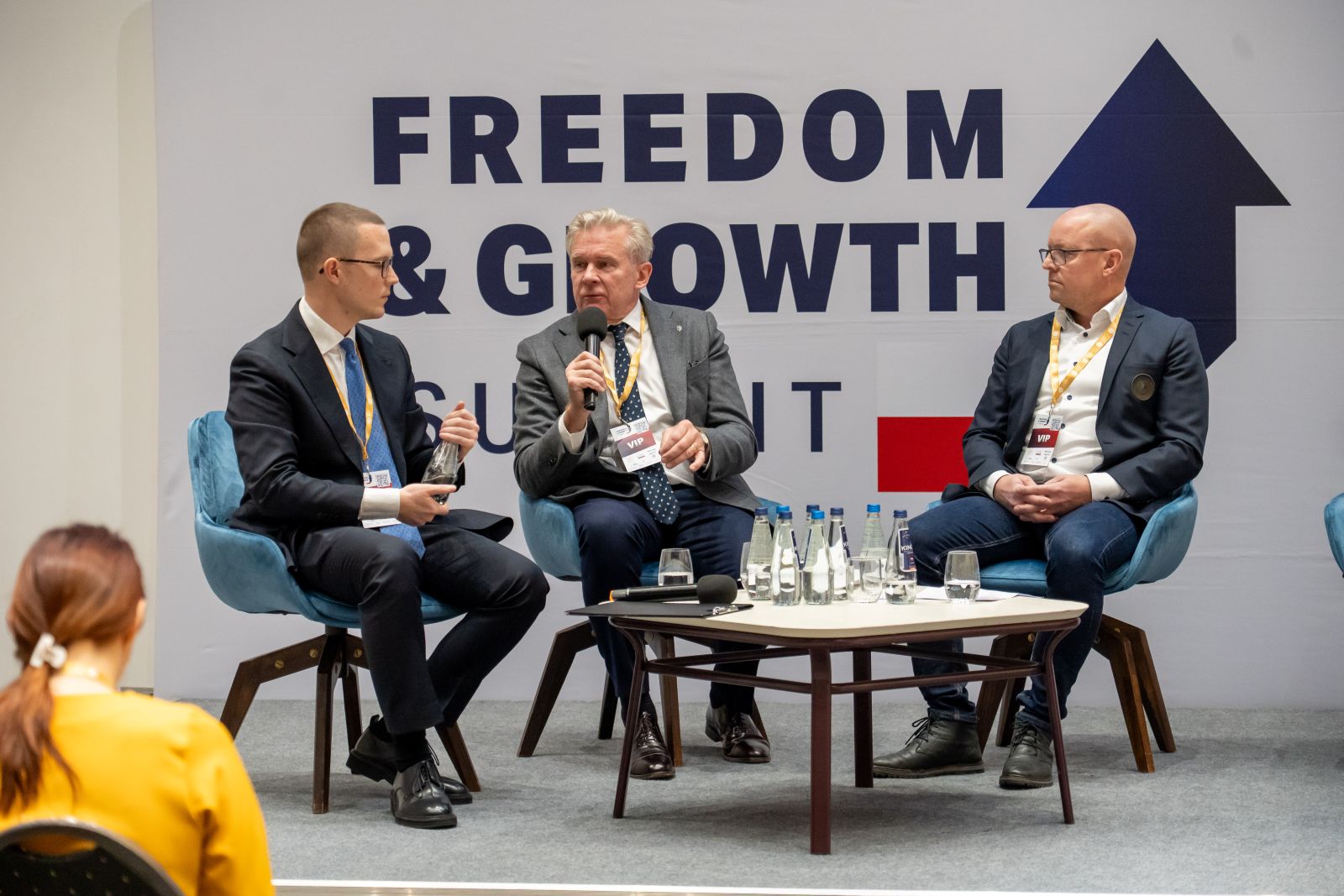
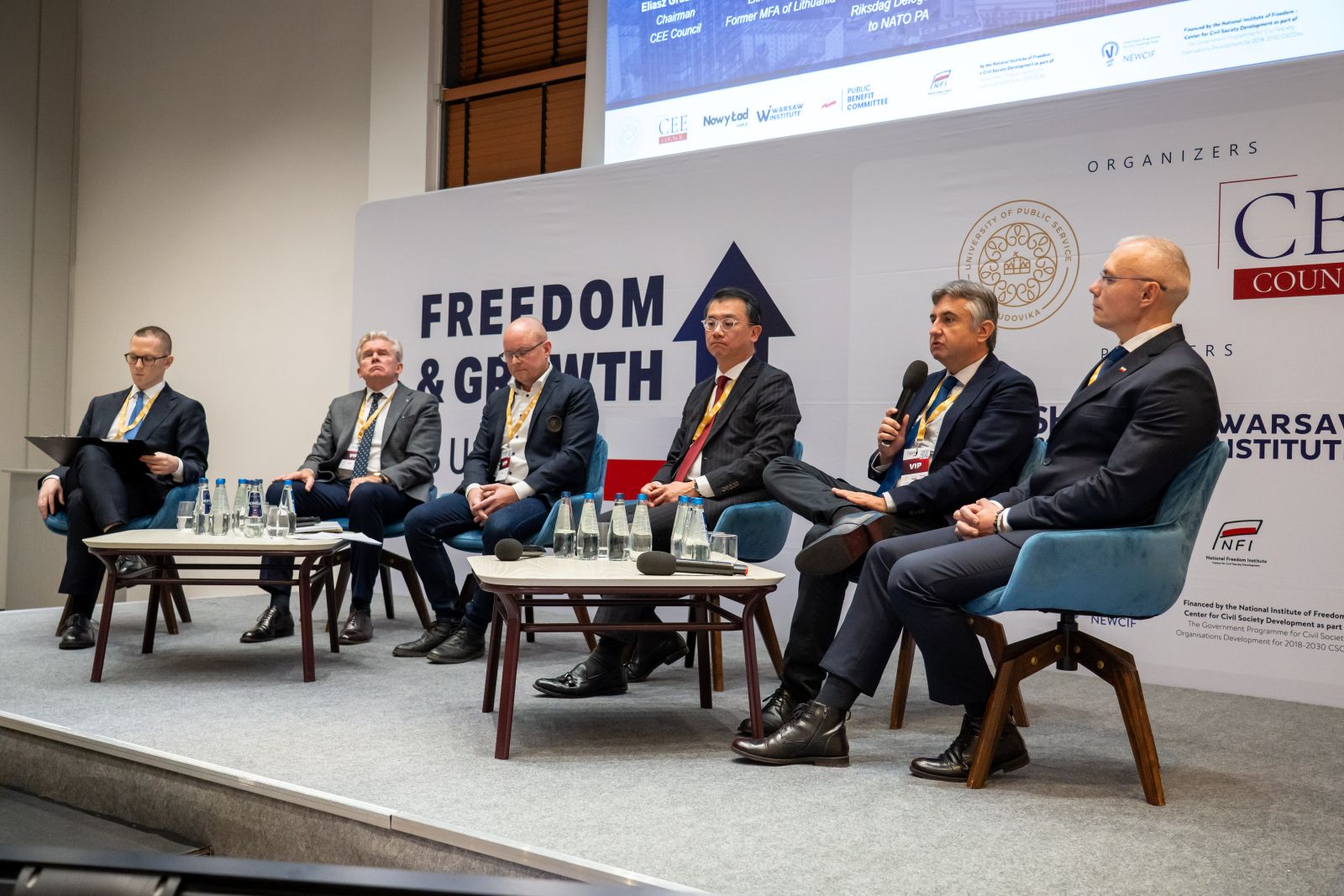
Panel I
Securing the North to Safeguard Europe’s Peace and Stability
The enlargement of NATO to include Finland and Sweden has redefined the strategic landscape of Europe’s north-eastern flank, creating new opportunities for cooperation between the Nordic states and their Baltic and Central European allies. Strengthening the Nordic–Baltic reinforcement corridor is now central to ensuring credible deterrence, interoperability, and swift military mobility across this critical area of the Alliance.
Within the broader framework of the Bucharest Nine (B9), Poland and other regional allies play a key role in linking northern and eastern dimensions of NATO’s security posture. Enhanced coordination between the Baltic and Nordic partners — supported by technological innovation, infrastructure development, and shared situational awareness — is essential for building a resilient defense network.
This panel will explore how the countries along the High North–Baltic axis can transform geographic continuity into strategic coherence, fostering deeper military and technological cooperation, stronger regional ties, and a unified approach to securing Europe’s eastern frontier in an era of renewed geopolitical competition.
Panelists
Audronius Azubalis
Björn Söder
Anthony Kim
Attila Demkó
Remigiusz Żuchowski
Moderator
Eliasz Grubiński
Coffee Break
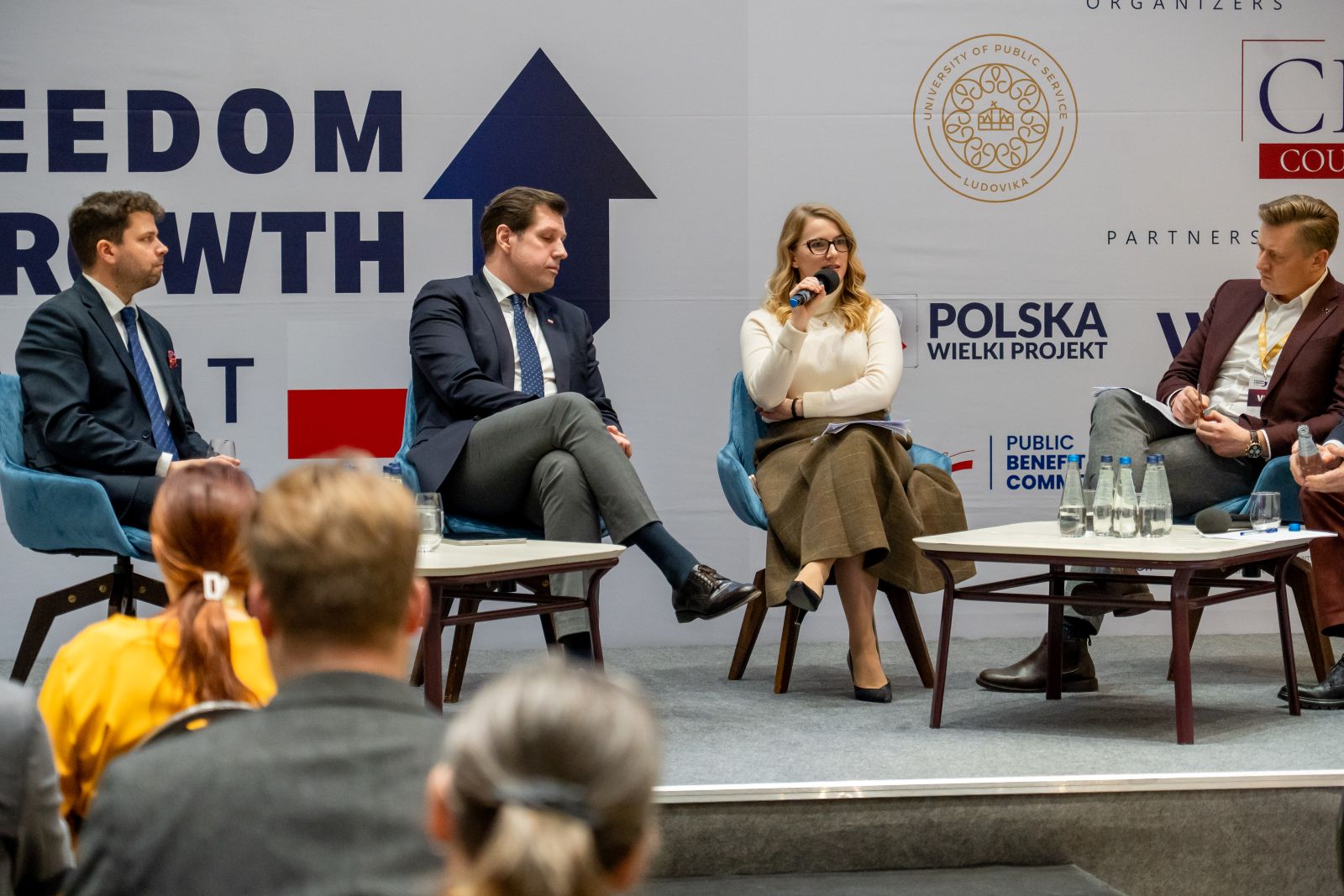
Panel II
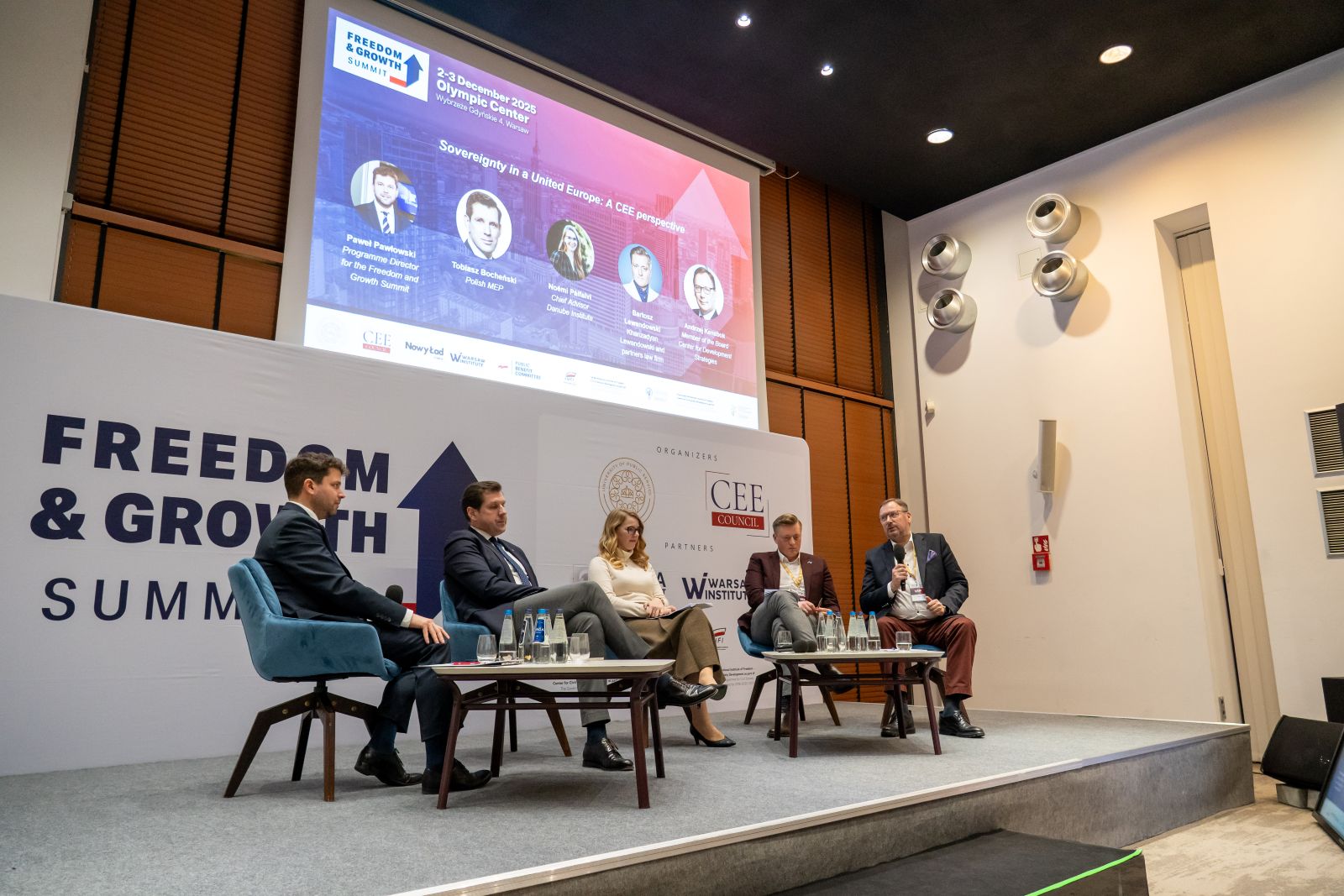
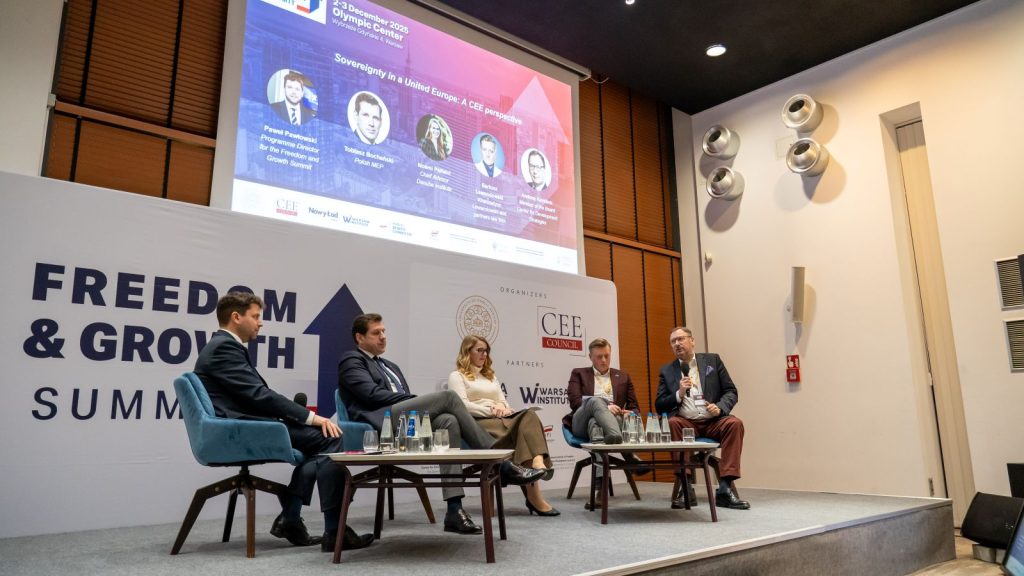
Sovereignty in a United Europe: A CEE Perspective
The question of sovereignty has re-emerged as one of the defining debates within the European Union. As integration deepens and EU institutions expand their competences — from energy and climate policy to digital regulation and defense coordination — many member states, particularly in Central and Eastern Europe, are raising concerns about the erosion of the nation-state’s role as the primary guardian of democratic legitimacy and social identity.
For the countries of the CEE region, state sovereignty is not an abstract legal notion but a hard-earned value rooted in history and experience. Poland and its neighbors view the nation-state as an indispensable foundation of European unity — one that ensures accountability, cultural diversity, and the ability to respond effectively to local challenges. At the same time, they recognize that issues such as technological dependence, information security, and collective defense demand close cooperation among allies.
This panel will examine how Central and Eastern Europe can defend the enduring relevance of the nation-state while contributing constructively to the European project. It will explore whether a truly united Europe can exist without strong, sovereign nations — and how the balance between integration and independence can be recalibrated to meet the challenges of the 21st century.
Panelists
Tobiasz Bocheński
Noémi Pálfalvi
Bartosz Lewandowski
Andrzej Kensbok
Moderator
Paweł Pawłowski
Reception
9:30-10:00
10:00-11:30
11:30-12:00
12:00-13:30
13:30-14:15
14:15-15:45
15:45-16:00
16:00-16:15
16:15-17:45
17:45-18:00
Registration and Welcome Coffee
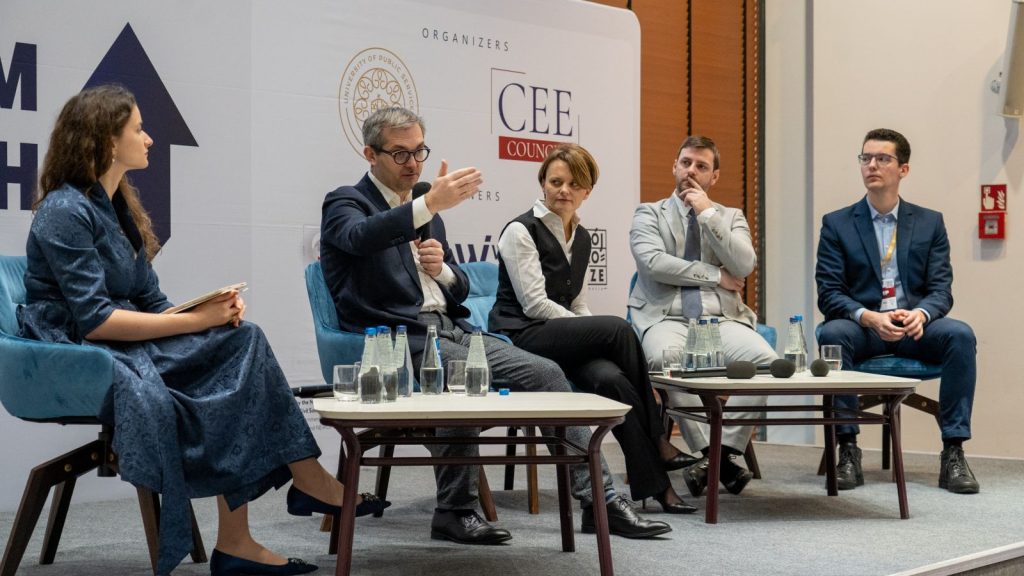
Panel III
Security in the Era of the Energy Transition
The global energy transition is redefining not only markets but also the architecture of international security. As the race for clean and advanced technologies accelerates, strategic competition between the United States and China shapes new dependencies and power dynamics. Russia, while largely outside this technological race, continues to leverage traditional energy exports as a tool of political influence — reminding Europe that the path toward sustainability cannot ignore the realities of security and geopolitics.
Europe, at the forefront of decarbonization, faces the dual challenge of maintaining its technological leadership while managing the growing burden of internal regulation and the uneven global playing field. For Central and Eastern Europe — and especially for Poland — energy transition is closely tied to sovereignty and resilience. The development of nuclear energy, diversification of supply routes, and the deployment of innovative low-carbon technologies are becoming strategic imperatives.
This panel will explore how Europe can reconcile its environmental ambitions with energy security in an era of intensified global rivalry. It will also examine how transatlantic cooperation can help ensure that the energy transition strengthens — rather than undermines — Europe’s strategic autonomy and competitiveness.
Panelists
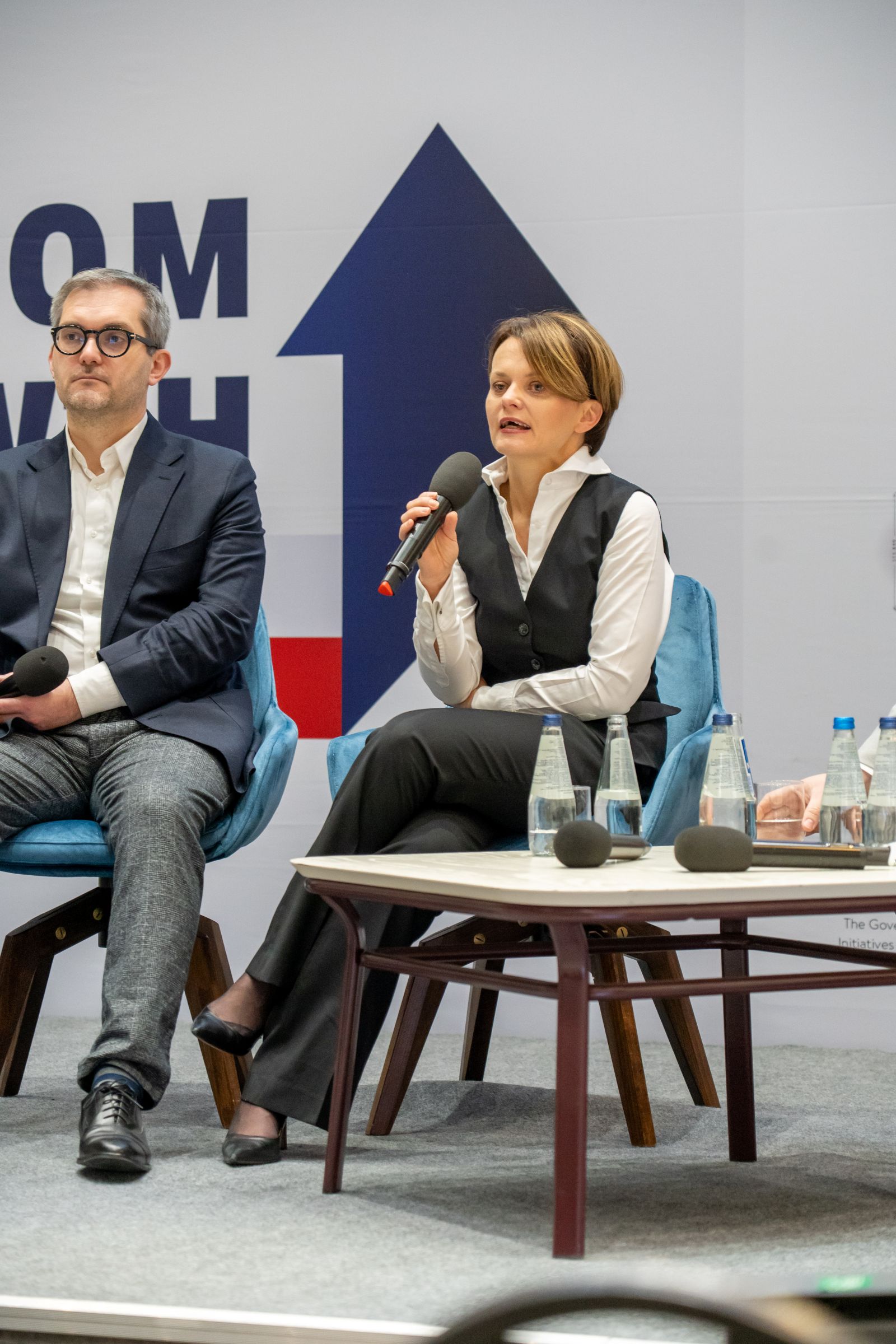
Jadwiga Emilewicz
Csaba Gondola
Marcin Izdebski
Marek Niedużak
Moderator
Liliana Śmiech
Coffee Break
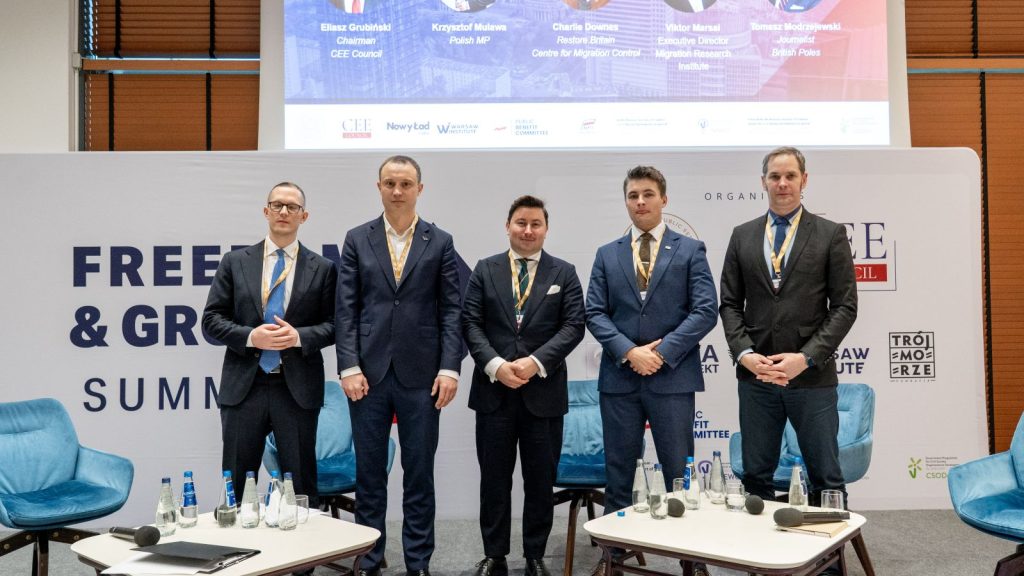
Panel IV
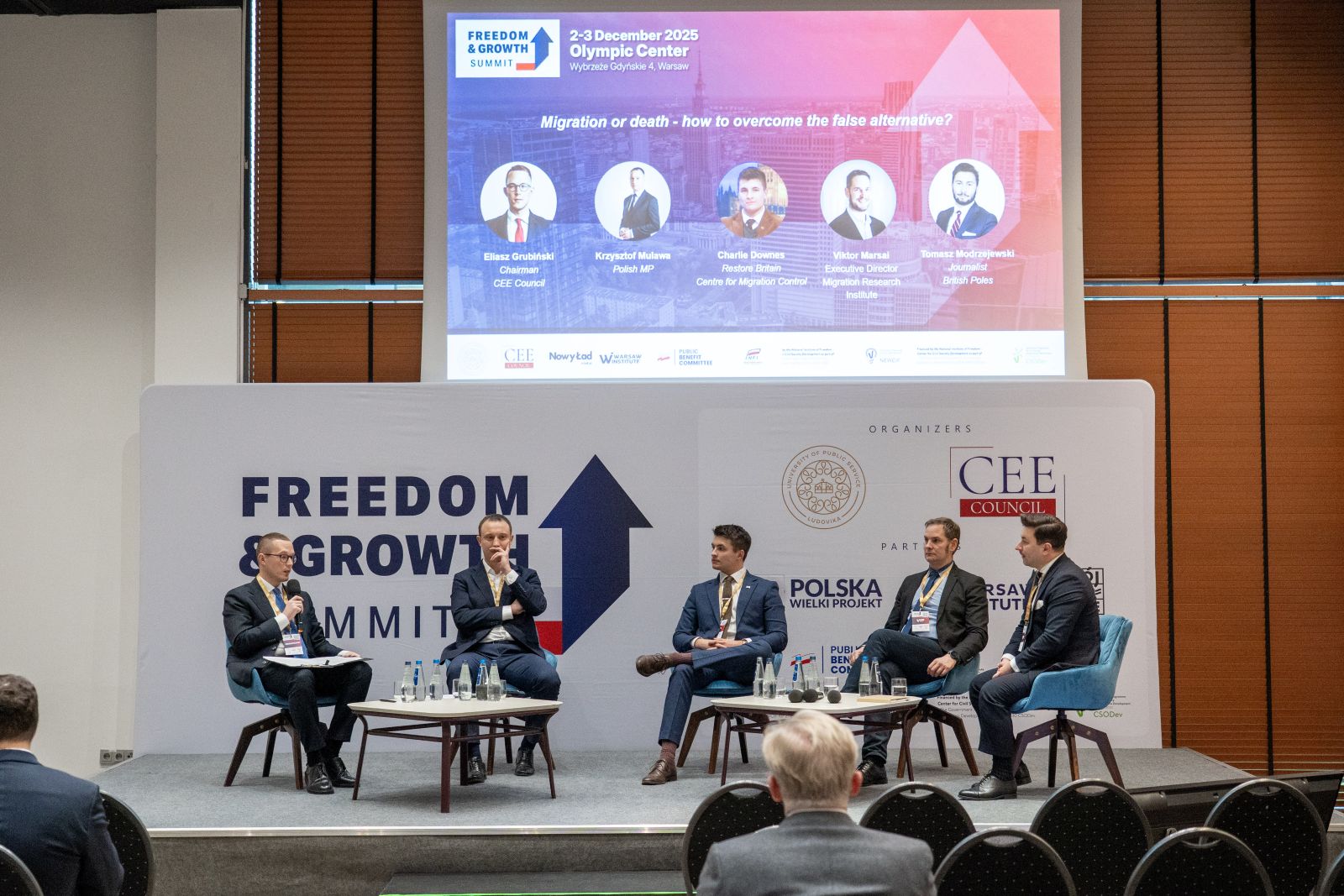
Migration or death: how to overcome the false alternative?
The migration debate has become one of the most divisive and urgent challenges facing Europe today. What was once presented as a moral or economic necessity increasingly reveals its limits — both organizational and social. European states are struggling to manage large-scale migration flows, legal and illegal alike, that test their capacities in areas such as security, integration, education, and public services. The assumption that mass migration is the only solution to labor shortages ignores long-term consequences for social cohesion and national identity, especially in an age when automation and artificial intelligence are rapidly transforming the labor market.
Forcing states to accept migrants against their will undermines both sovereignty and democracy. The experience of Western Europe shows that uncontrolled or poorly managed migration can lead to deep social fragmentation, political polarization, and security vulnerabilities. Moreover, migration is increasingly weaponized by hostile powers — notably Russia — as a tool of hybrid warfare aimed at destabilizing Europe from within.
This panel will explore how Europe, and particularly the CEE region, can develop responsible migration policies that combine humanitarian principles with strategic foresight. It will ask how to protect borders, preserve identity, and sustain economic growth — without surrendering to the false choice between openness and survival.
Panelists
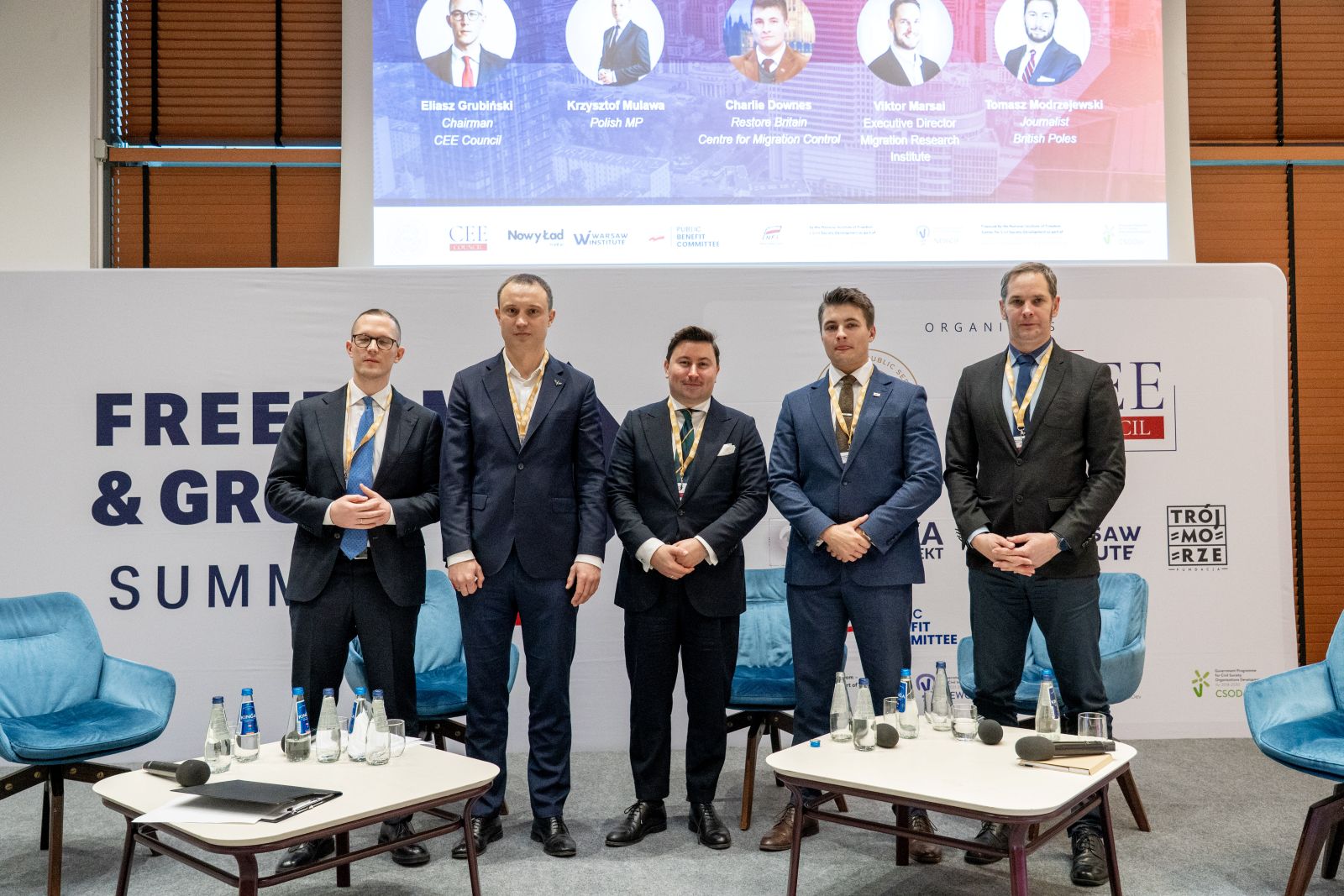
Krzysztof Mulawa
Charlie Downes
Viktor Marsai
Tomasz Modrzejewski
Moderator
Eliasz Grubiński
Lunch Break
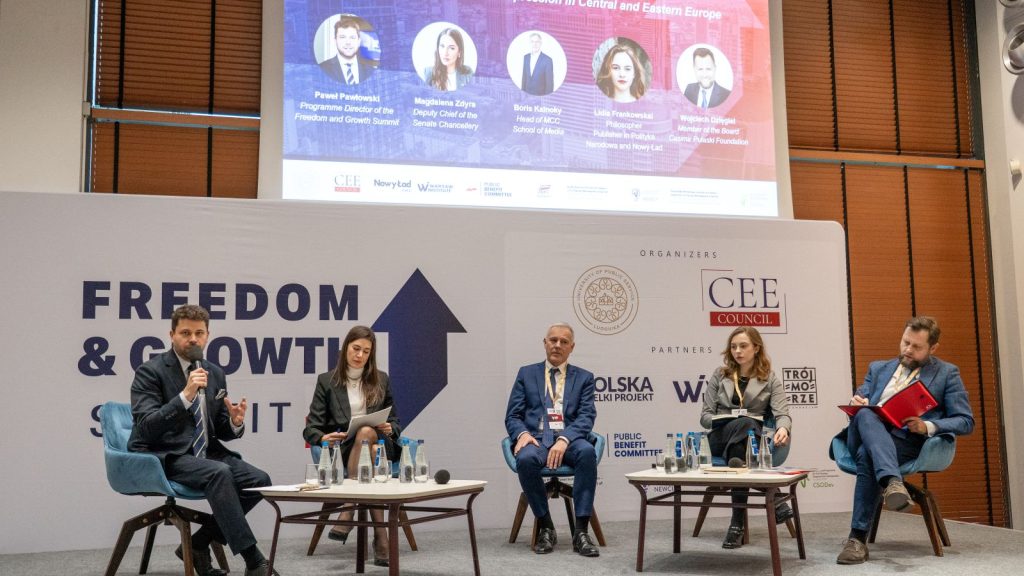
Panel V
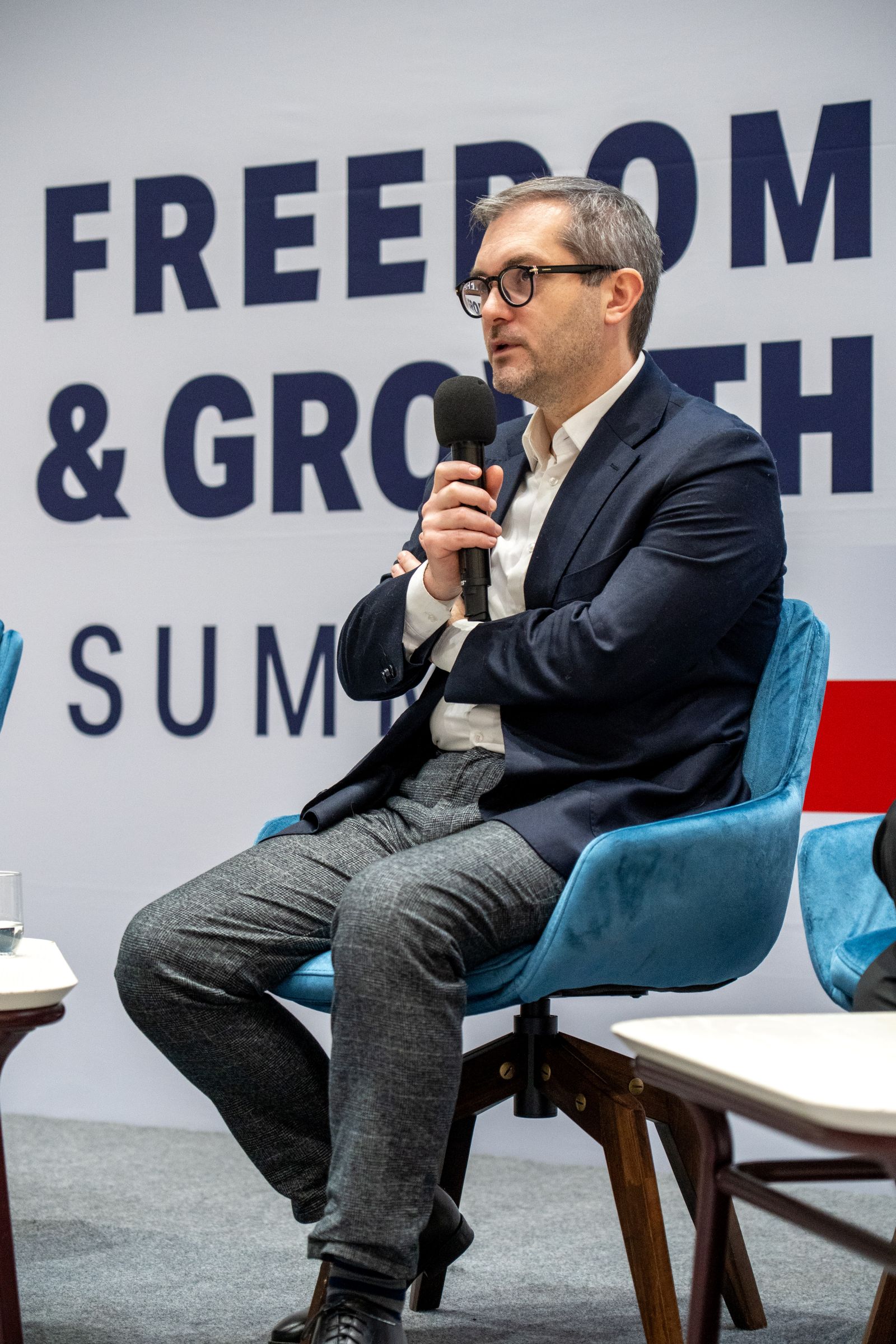
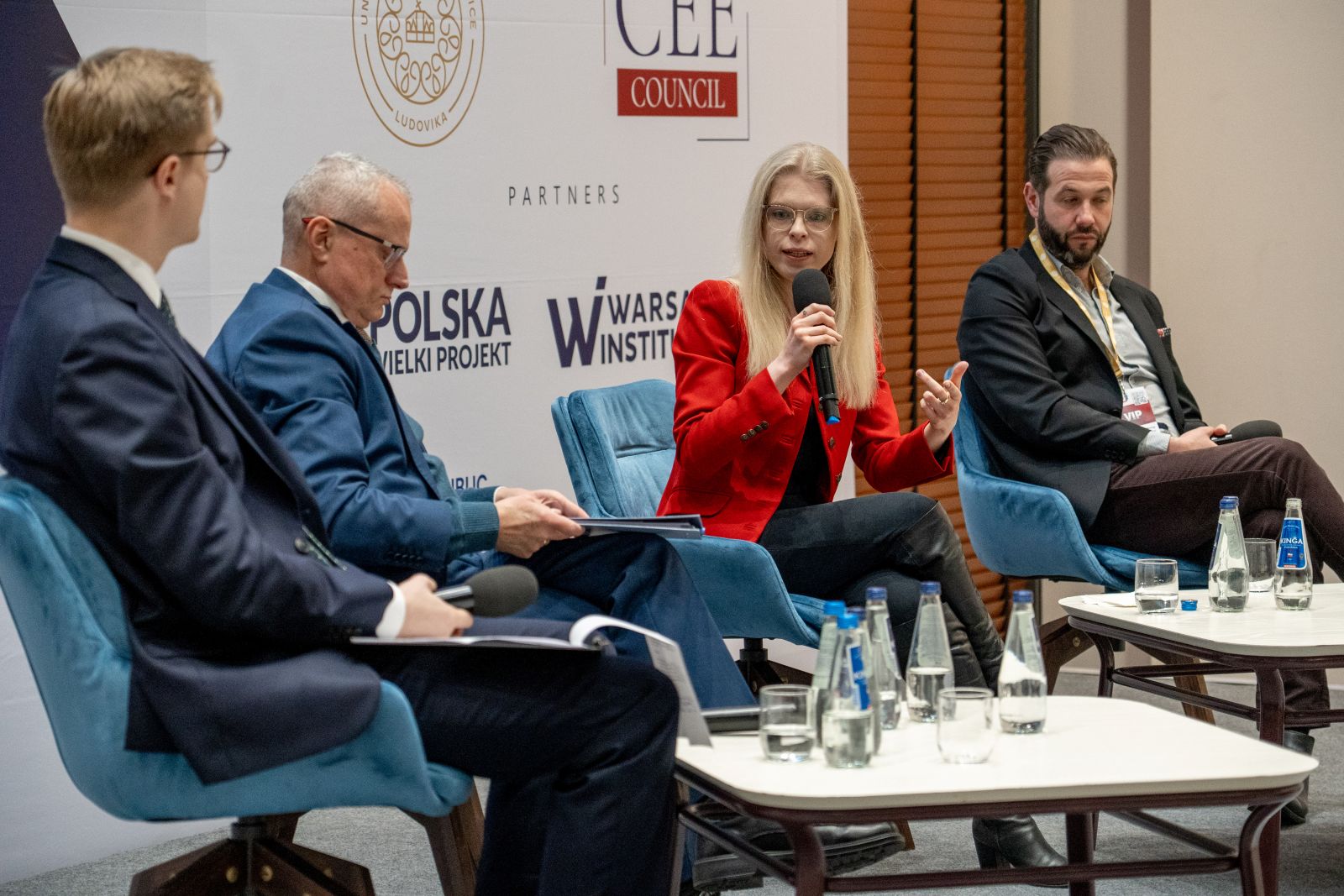
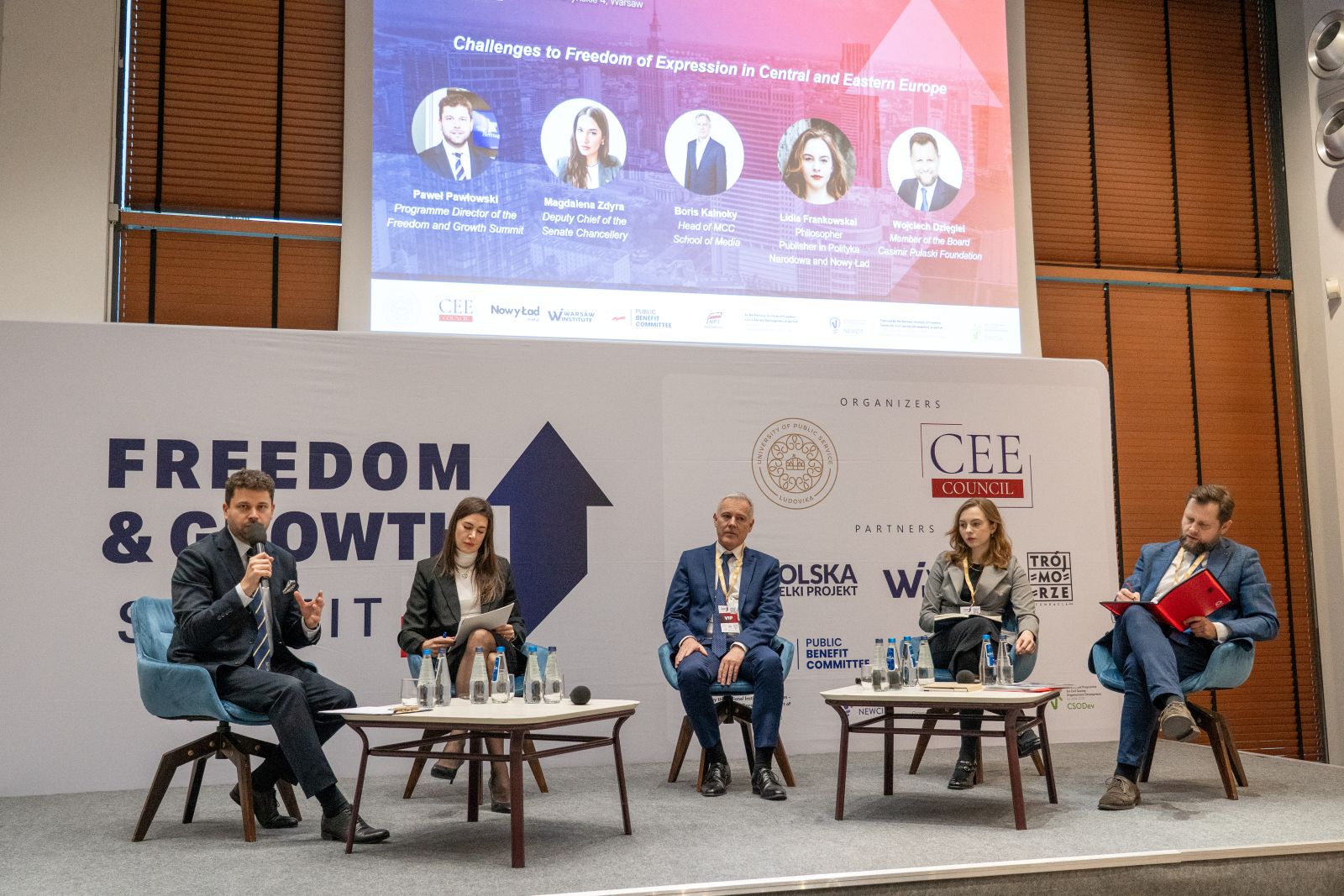
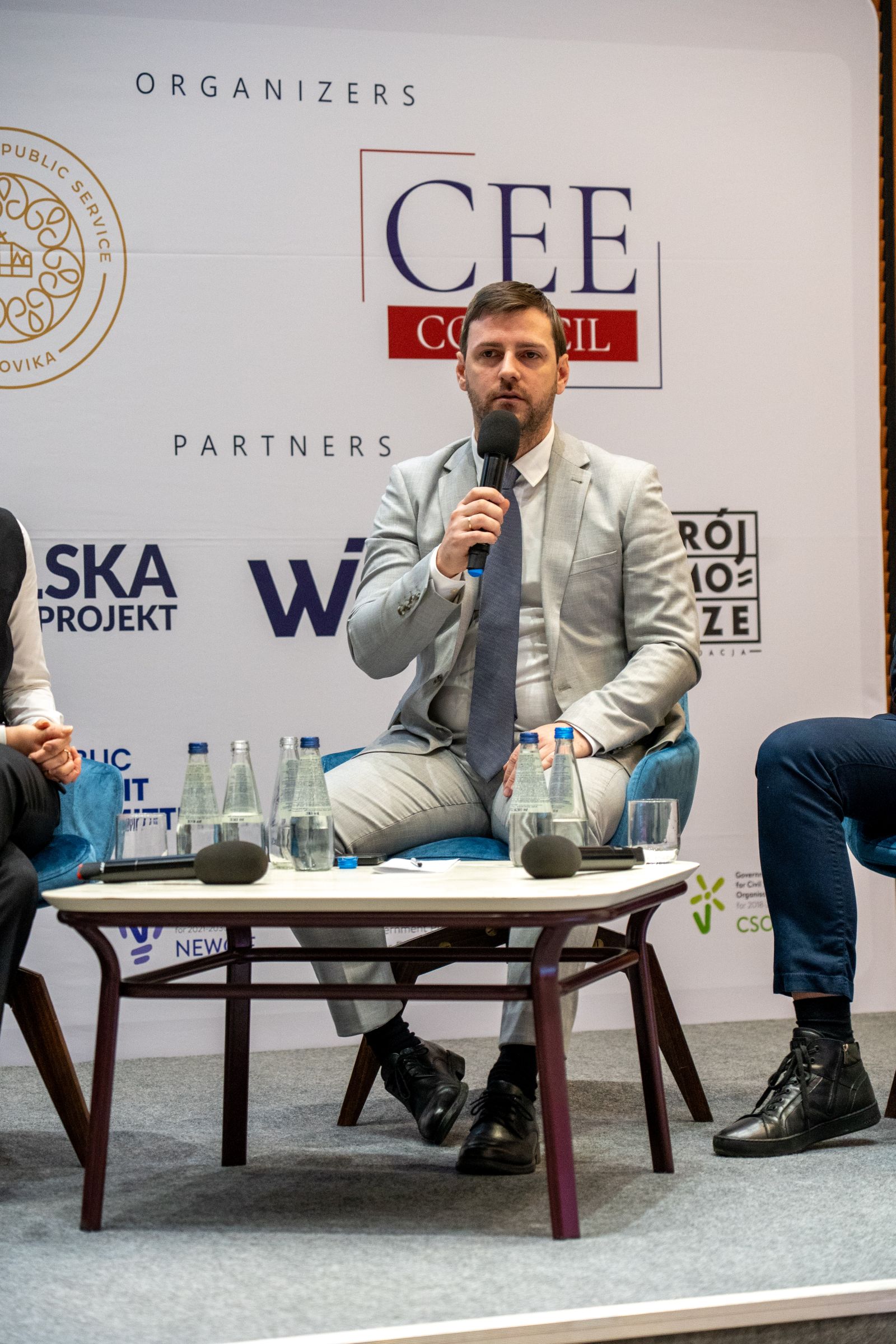
Challenges to Freedom of Expression in Central & Eastern Europe
Freedom of expression is under increasing strain worldwide — and Central and Eastern Europe stands at the intersection of these global tensions. Across democratic societies, including the EU, the UK, and the United States, debates over hate speech, misinformation, and online harm have led to new forms of regulation that often blur the line between protection and restriction. In many cases, the struggle to define the limits of free speech reflects deeper cultural and political divides about truth, responsibility, and democratic resilience.
Meanwhile, authoritarian models — exemplified by China’s state-controlled information systems or Russia’s systematic censorship — demonstrate how far suppression of expression can go when it becomes a tool of political power. For countries of CEE, positioned between these competing paradigms, the challenge is both internal and external: resisting disinformation and polarization without replicating the restrictive tendencies seen elsewhere.
This panel will examine how freedom of expression can be preserved amid growing regulatory pressures, social fragmentation, and global ideological competition — and how the CEE region can help chart a principled, balanced approach to speech in the digital age.
Panelists
Magdalena Zdyra
Boris Kalnoky
Lidia Frankowska
Wojciech Dzięgiel
Moderator
Paweł Pawłowski
Coffee Break
Keynote Speaker
Panel VI
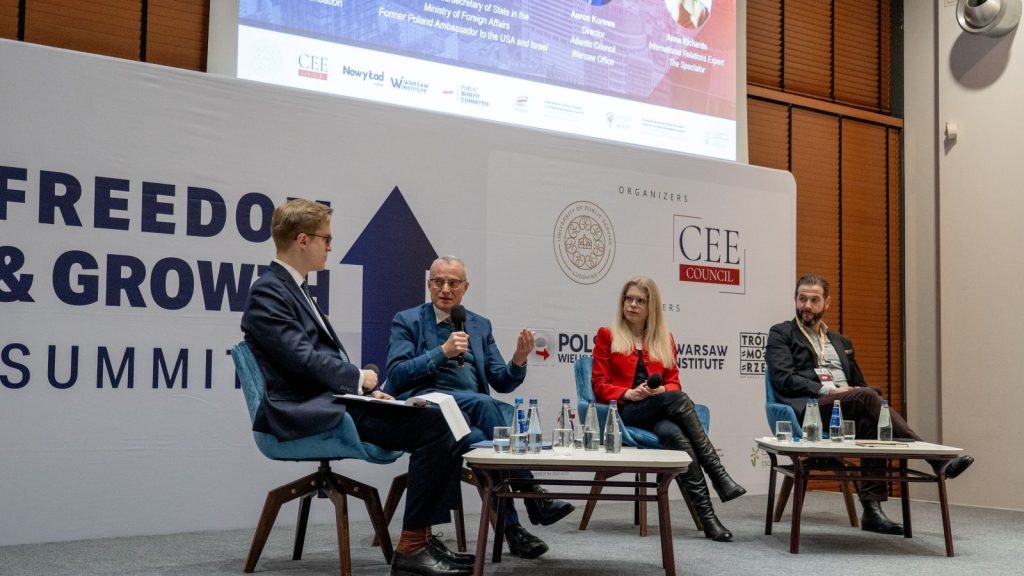
CEE in a Renewed Transatlantic Partnership
The Central and Eastern European region enters a new era of opportunity — and responsibility — within the transatlantic community. The recent change in the U.S. administration has brought a more dynamic and pragmatic approach to international engagement, with renewed energy in rebuilding alliances and strengthening cooperation with key regional partners. For countries like Poland, whose relationship with the United States remains one of the closest in the region, this shift opens new prospects for collaboration in defense, energy, and innovation.
At the same time, persistent threats from Russia — from military pressure to disinformation campaigns — remind us that peace and stability in CEE cannot be taken for granted. In this context, a revitalized partnership with both the U.S. and the United Kingdom becomes essential, reinforcing deterrence, resilience, and shared strategic goals.
The panel will explore how this renewed transatlantic alignment can empower Central and Eastern Europe to play a more proactive role in shaping the future of the Euro-Atlantic space — one built on strength, trust, and the belief that freedom and cooperation remain our best defense.
Panelists
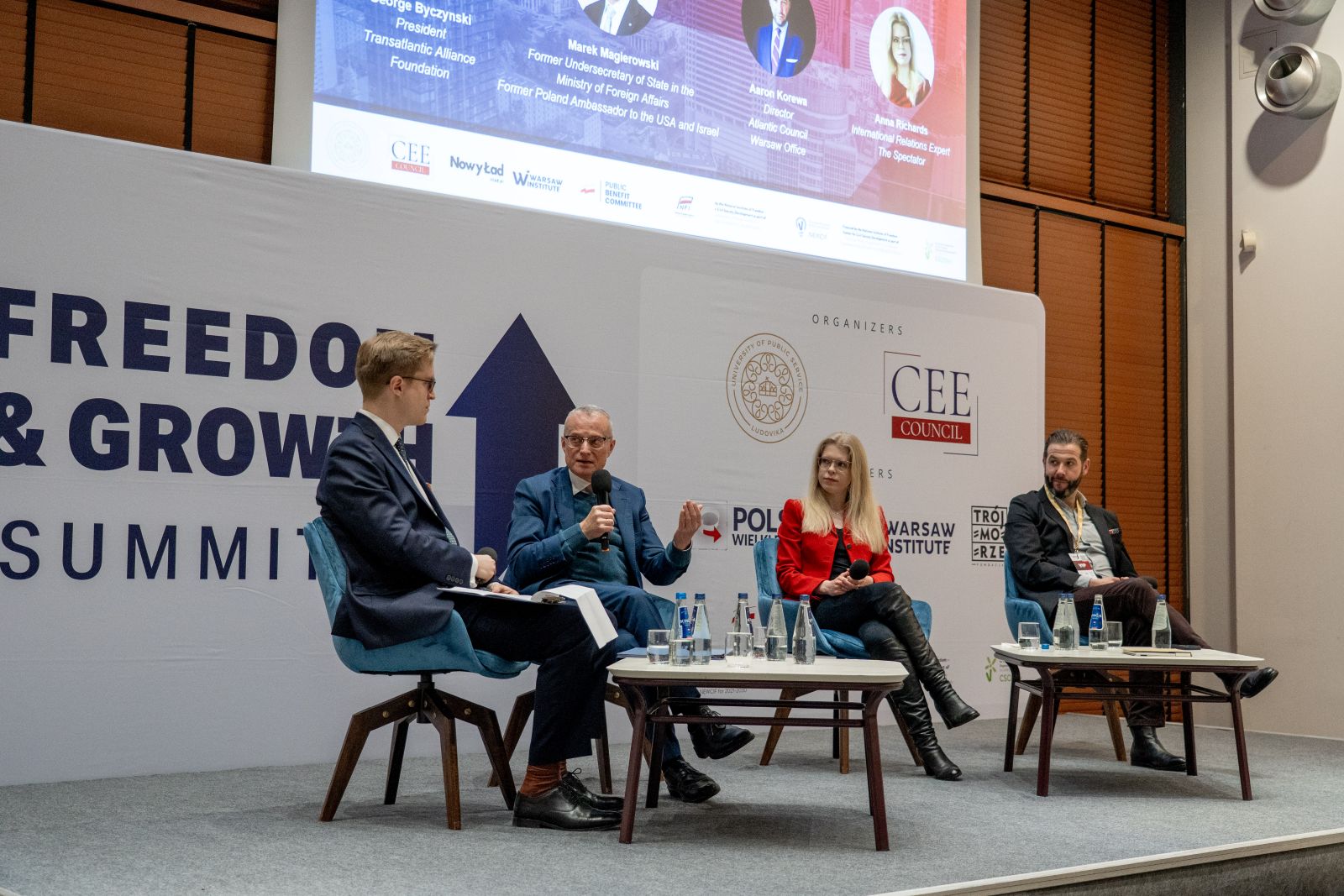
Marek Magierowski
Aaron Koreva
Piotr Woyke
Anna Richards
Moderator
George Byczynski
Closing Remarks

Bartosz Lewandowski
Khanzadyan Lewandowski and partners law firm

Charlie Downes
Restore Britain, Centre for Migration Control

Eliasz Grubiński
Chairman of the CEE Council Foundation
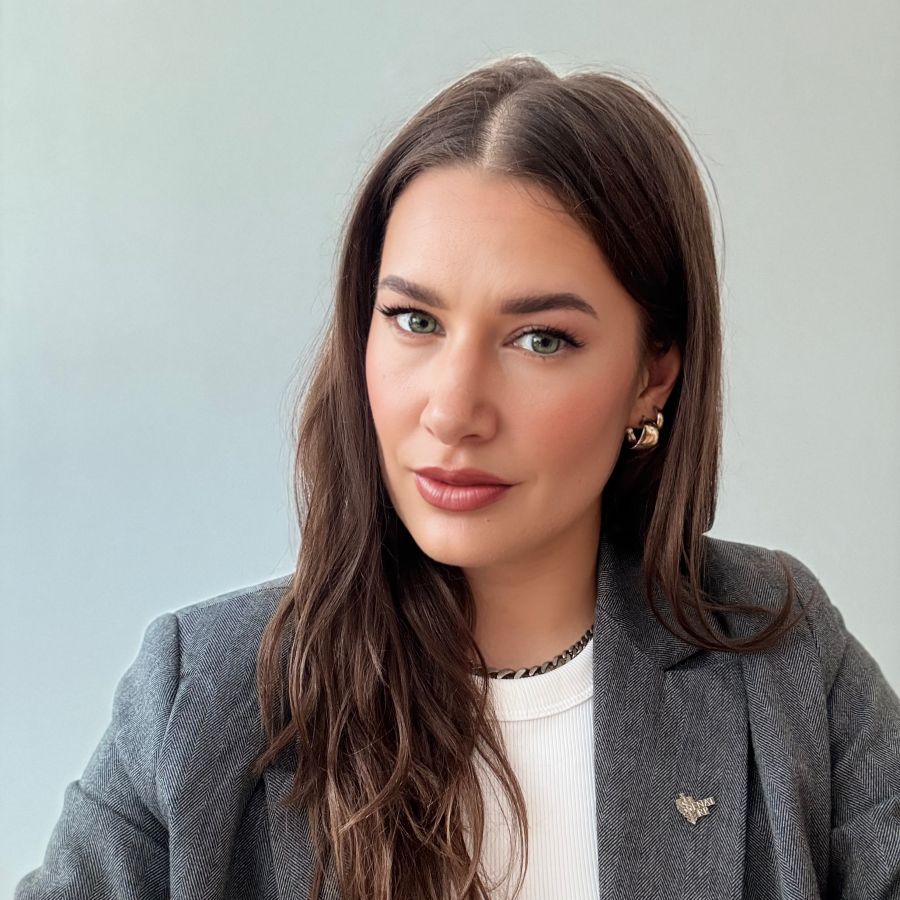
Magdalena Zdyra
Deputy Head of the Senate Chancellery

Liliana Śmiech
Director General for International Affairs, Ludovika University of Public Service

Paweł Pawłowski
Programme Director for Freedom and Growth Summit
Marek Niedużak
Former CEO of Pekao Investment Banking, Poland Director of EIES
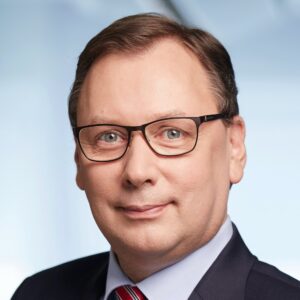
Andrzej Kensbok
Manager, Former CEO of PGZ, Former CFO of KGHM

George Byczynski
Transatlantic Alliance Foundation

Piotr Woyke
Military expert, Eastern Flank Institute

Aaron Koreva
Director, Atlantic Council Warsaw Office

Anna Richards
Lawyer, International relations expert

Attila Demkó
Head of the Strategic Foresight, John Lukacs Institute, Ludovika University of Public Service

Boris Kalnoky
Head of MCC School of Media

Viktor Marsai
Executive Director, Migration Research Institute

Tomasz Modrzejewski
Journalist, British Poles

Noémi Palfalvi
Chief Advisor, Danube Institute

Mariusz Paczkowski
Federation of Polish Entrepreneurs

Marcin Izdebski
Manager in Energy sector
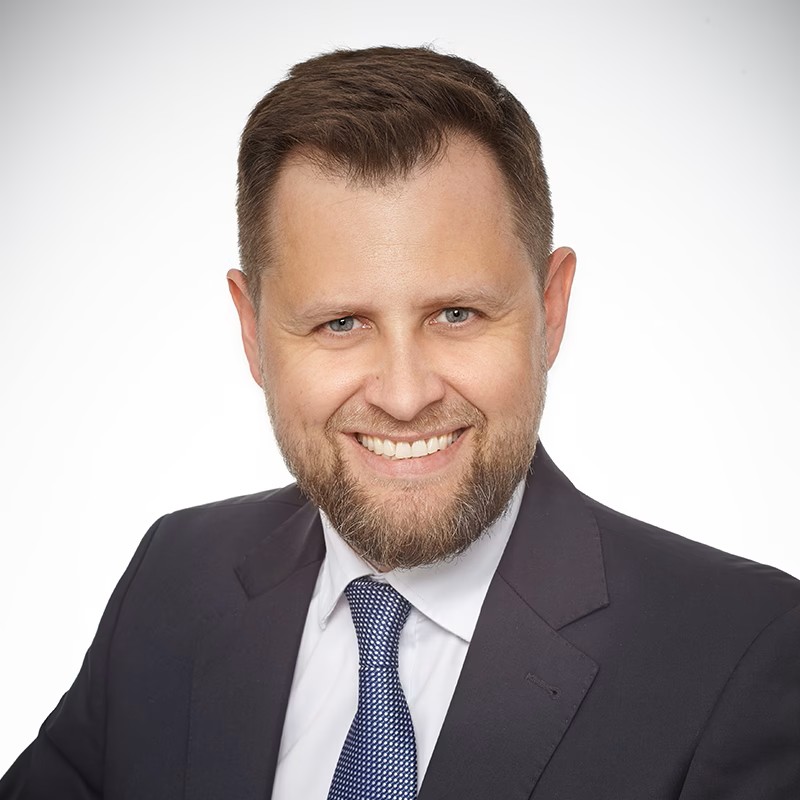
Wojciech Dzięgiel
Member of the Board and Director for the Energy Security and Resilience Program, Pulaski Foundation
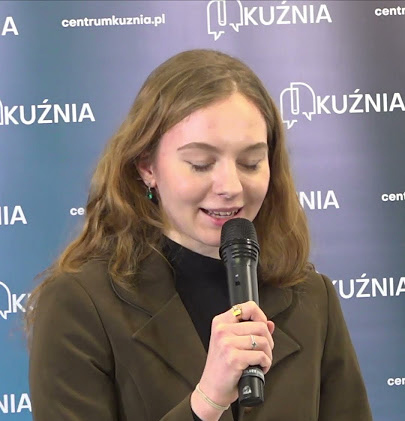
Lidia Frankowska
Philosopher, Nowy Ład
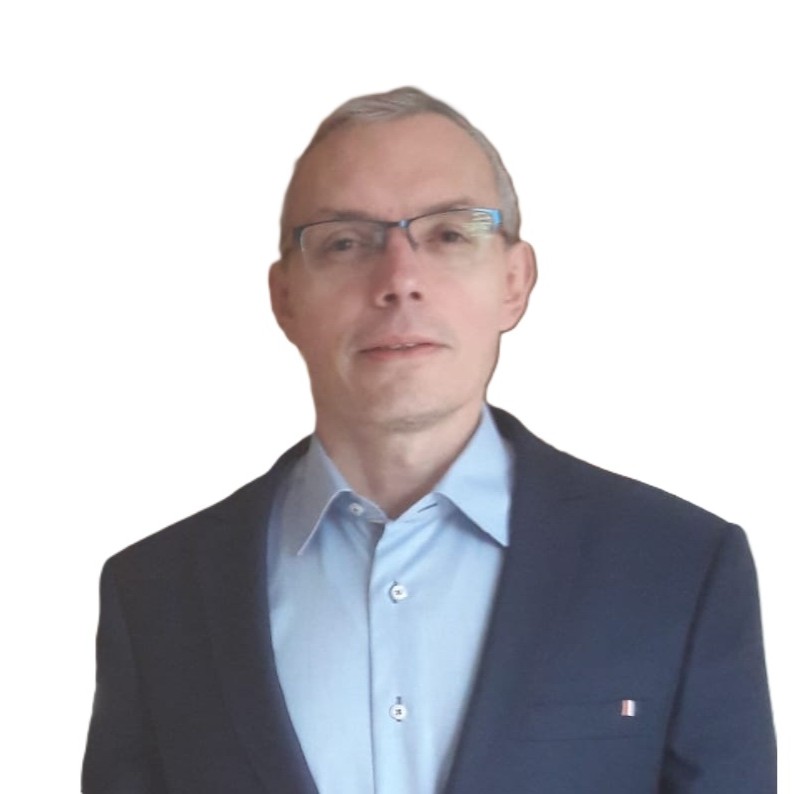
Remigiusz Żuchowski
Colonel (Ret.), Reserve Officer, Counter-Disinformation Strategy Planner
Explore the two-day program of panels and discussions.
Agenda
Summit On-Demand
Partners & Organizers
We are proud to partner with leading institutions to bring you this event.



Location & Contact
Should you have any inquiries or require assistance with registration, please contact us:
Secure Your Spot at the Forefront of CEE's Future.
Registration is mandatory to attend the Freedom & Growth Summit 2025.